How to Avoid Warping Pans: Foolproof Tips Every Home Cook Must Know
Did you know a single thermal shock can permanently deform your favorite skillet? That sudden temperature change is the silent culprit behind most warped cookware.
You’re at the stove, ready to cook, when your trusty pan starts a wobbly dance. This common problem turns a smooth meal prep into a frustrating balancing act. It’s not betrayal; it’s physics having a bad day.
Warping is more than an eyesore. It causes uneven heat distribution, makes your surface unstable, and pools oil to one side. Your culinary efforts deserve better than a lopsided battlefield.
The good news? This issue is almost entirely preventable. With proper heat management and a little understanding of your material, you can keep your kitchen tools in top shape for years. Simple habits make a huge difference.
This guide shares battle-tested tips to show your cookware the care it deserves. We’ll demystify the science so you can cook with confidence every time. For example, proper care and use routines are essential for longevity. Understanding your material, like the robust nature of carbon steel pans, is also key.
Even experienced chefs have faced a warped pan. Don’t feel bad if it’s happened to you. The goal is learning prevention to keep your equipment performing perfectly.
Key Takeaways
- Warping is primarily caused by sudden, extreme temperature changes known as thermal shock.
- A warped pan leads to uneven cooking, unstable stovetop placement, and pooled oils.
- Prevention focuses on proper heat management and understanding your cookware’s material.
- Simple daily habits can significantly extend the life and performance of your pans.
- Even high-quality cookware can warp without correct usage and maintenance.
- Learning a few key techniques can save you money and frustration in the long run.
- The right care makes cooking more enjoyable and your results more consistent.
Understanding Your Cookware Materials
Not all metals are created equal when it comes to resisting the warping forces of high heat. Your skillet’s composition is its destiny on the burner.
| Material | Warp Resistance | Key Property | Care Level |
|---|---|---|---|
| Carbon Steel | Moderate | 99% iron, expands a lot | High (needs seasoning) |
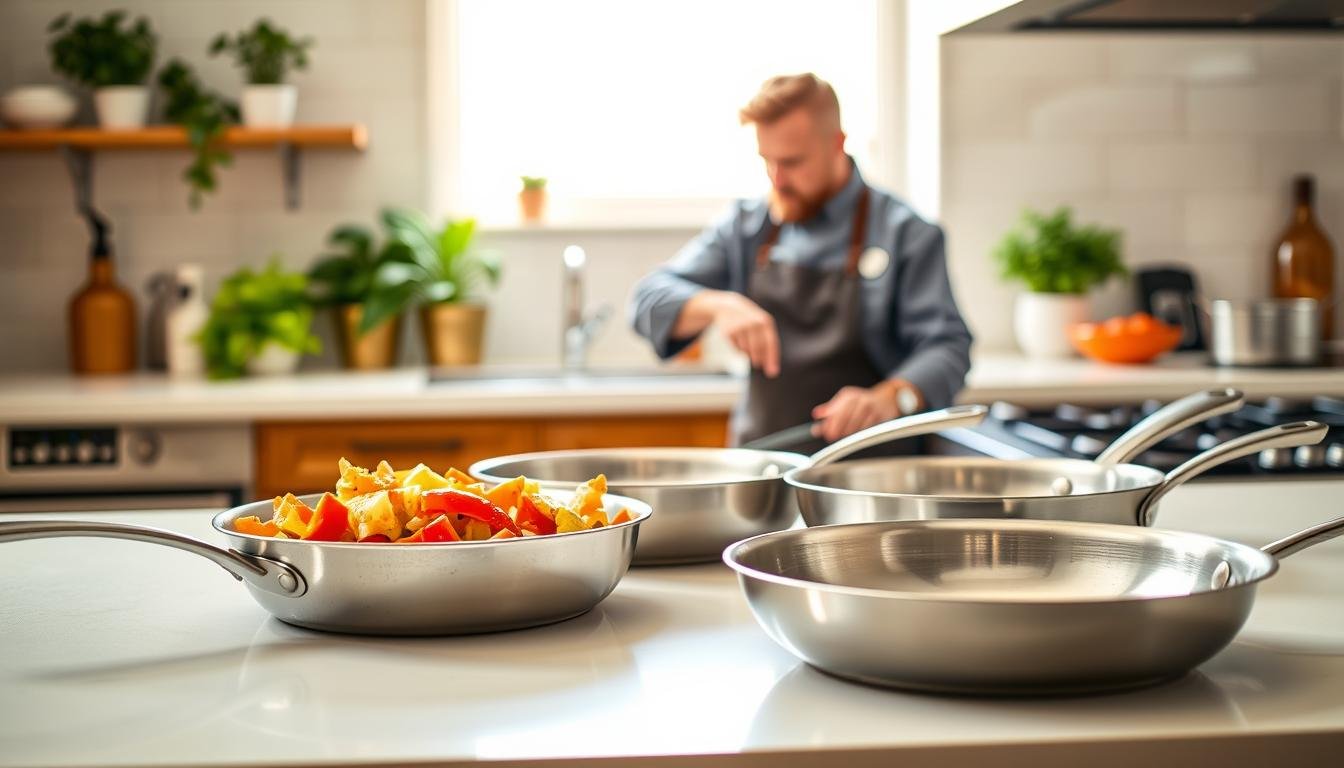
| Stainless Steel | High | Dense, durable alloy | Low (easy clean) |
| Cast Iron | Very High | Extremely thick, heavy | Medium (rust prone) |
Differences Between Carbon Steel, Stainless Steel, and Iron
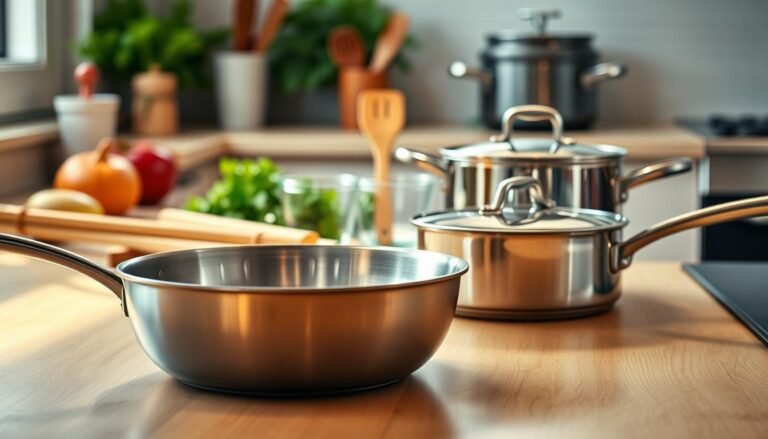
Carbon steel is almost pure iron. This metal expands significantly when hot, making it more likely to deform if heated too fast. Stainless steel is a heavyweight champion. Its density helps it resist bending.
https://www.youtube.com/watch?v=ocoY4ip6OIg
Cast iron uses sheer thickness for protection. As one expert notes, “Multi-ply construction creates a more stable pan than single-ply alternatives.” This is key for a reliable frying pan.
How Material Quality Affects Pan Warping
Thicker pans have more material to absorb heat. This prevents hot spots that cause uneven expansion. Investing in quality cookware means better structural longevity.
Understanding your carbon steel vs cast iron pot helps you predict its behavior. A good flat surface starts with the right metal.
How to Avoid Warping Pans: Essential Heat Management Techniques
Your skillet’s worst enemy isn’t a metal spatula; it’s impatience at the burner. Proper heat management is the ultimate defense against a wobbly cooking surface.
Importance of Gradual Heating and Temperature Control
Always heat the pan slowly. This is the golden rule. Rushing causes the center to get hot faster than the edges.
Uneven expansion reshapes your metal. Follow a simple sequence for best results.
| Step | Heat Setting | Approx. Time | Goal |
|---|---|---|---|
| 1. Warm-up | Low (2-3 on induction) | 2-3 minutes | Even initial expansion |
| 2. Build-up | Medium (5 on induction) | A few minutes | Uniform temperature rise |
| 3. Cooking | Desired frying heat | As needed | Stable, high temperature |
Add oil only after the pan reaches temperature. This lets the oil heat gradually too.
Match your pan size to the burner. A small burner under a large pan creates hot spots. This is a bad idea.
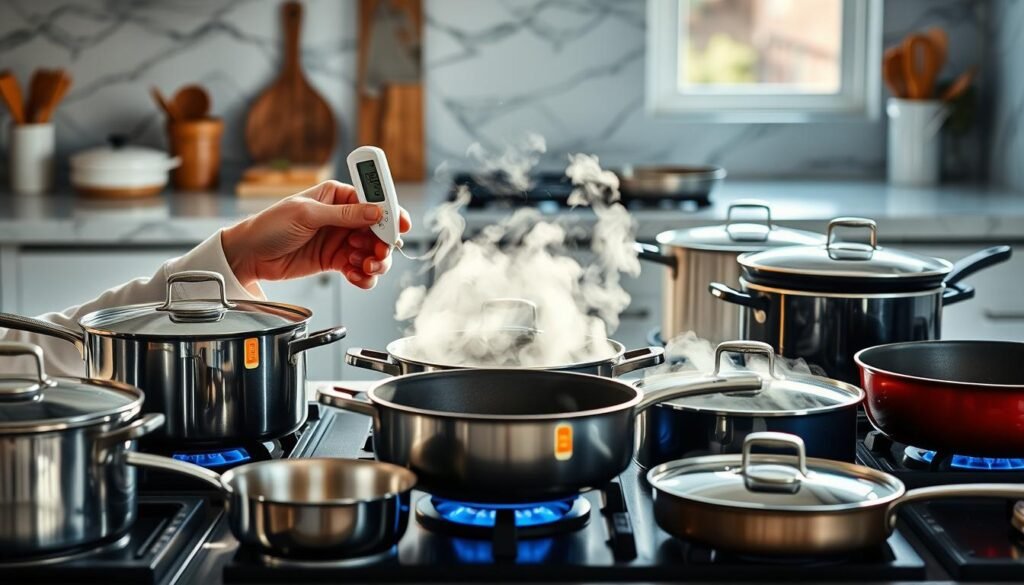
Risks of Rapid Temperature Changes and Thermal Shock
Never pour cold water on a hot pan. This causes thermal shock. The abrupt temperature change stresses the metal.
It can misshape it permanently. The same principle applies to food. Placing icy items on a scorching surface forces rapid changes.
Let ingredients approach room temperature first. For induction stove users, be extra careful. The technology heats incredibly fast.
Dial back the initial settings. Those extra minutes of patience are an investment. They prevent a warping problem that lasts for years.
Mastering these heat management techniques keeps your cookware flat and functional.
Witty and Practical Kitchen Tips for Every Home Cook
Cooking success starts long before you turn on the burner, with a simple refrigerator habit. These clever moves keep your cookware flat and your meals flawless.
Pre-Cooking Habits: Room Temperature Foods and Smart Cleaning
Here’s a tip that’ll change your game. Take thick food like steaks out an hour before frying. Room-temperature ingredients won’t shock your hot pan into warping. You also get a better sear.
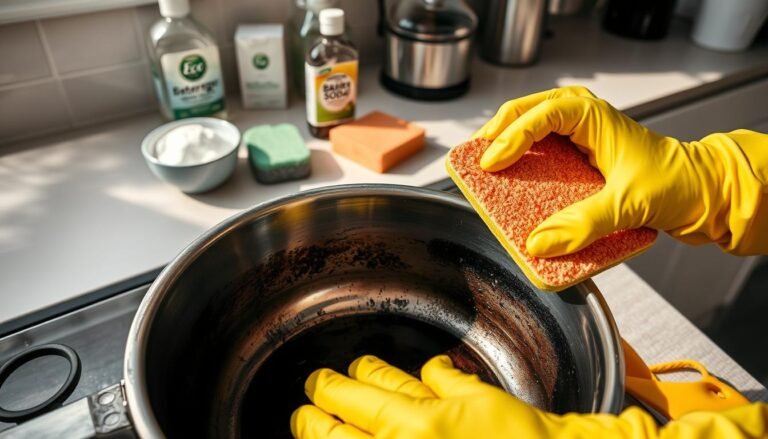
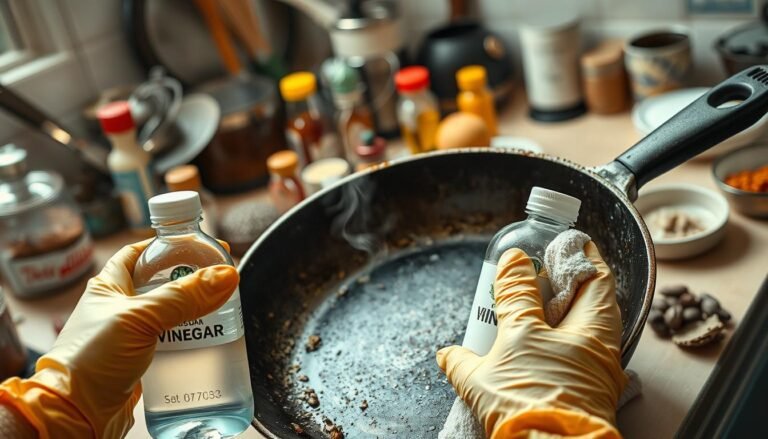
After cooking, fight the urge to douse that frying pan with water. Your tidy instincts are screaming, but patience pays. Let it cool on a trivet first.
For carbon steel pans, here’s a secret: they rarely need water at all. Skip the thermal shock and use a gentle scrub instead. Your steel will thank you.
Consistency with your heat source matters. Switching between a gas stove and induction can subtly reshape pans. This hurts contact with the flat surface.
Always ensure heat spreads across the entire surface of your pot or pan. Even heating prevents the expansion differentials that cause trouble.
Think of these steps as preventive maintenance. A little care in the order of operations saves huge frustration later. Your pan still makes full contact, so food turns out perfect.
Consider a multi-pan strategy. Dedicate your carbon steel beauty to high-heat tasks on the gas stove. Let other cookware handle gentler jobs.
Some suggest pounding out dents with a wood block. The better idea? Follow these tips and avoid the repair time altogether. Prevention is always smarter.
Conclusion
A flat pan is the unsung hero of every great meal, and keeping it that way is easier than you think. Warping isn’t fate; it’s a preventable problem rooted in thermal mismanagement.
The techniques shared here aren’t complex. Adding a few minutes to your heating routine and planning ingredient temperature are small shifts with big payoffs.
These principles apply universally. Whether you’re using carbon steel or any other material, physics demands respect. Treat all your pans with gradual heat, and they’ll serve you for years.
Even if you have a wobbly pot already, applying these methods protects the rest of your collection. Your cookware works hard; it deserves to perform at its top.
Remember, patience beats a quick fix every time. While wood-block hammering might be a last resort, prevention is smarter. For instance, choosing the right material, like avoiding ultra-thin carbon steel, reduces risk from the start.