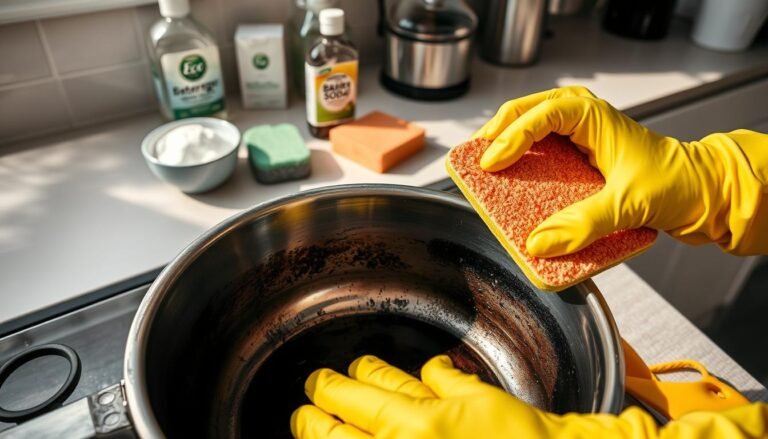

Cookware Scratches Too Easily: Causes and Fixes
Is your favorite pan secretly sabotaging your meals? I know the feeling. You invest in a nice set, only to find it marred after a few uses.
That shiny nonstick surface is a game-changer for easy cooking and cleanup. But its soft coating is surprisingly vulnerable. Everyday use with the wrong tools can quickly lead to marks and damage.
This isn’t just about looks. A compromised surface loses its non-stick magic, making cooking a sticky mess. It can also raise health concerns and force you to replace items far too soon.
The good news? You’re not stuck with this cycle. This guide will show you why this happens and give you real fixes. Protecting your pots and pans is about maximizing your investment and ensuring safe cooking for your family.
You’ll learn both quick solutions and long-term strategies. With a few simple changes to your kitchen habits, you can keep your pans working like new for years.
Table of Contents
Key Takeaways
- Minor surface damage is a common frustration that hurts cooking performance and pan appearance.
- The nonstick coating on many modern pans is soft and requires careful handling to avoid wear.
- Scratched surfaces can lead to food sticking, potential safety questions, and the need for early replacement.
- Practical solutions exist, from understanding causes to applying prevention and restoration methods.
- Protecting your investment is about more than aesthetics—it’s about safety and value.
- This guide provides immediate fixes and habits for long-term pan care.
- Simple adjustments in utensil use and cleaning can significantly extend the life of your cookware.
My Journey with Cookware Scratches
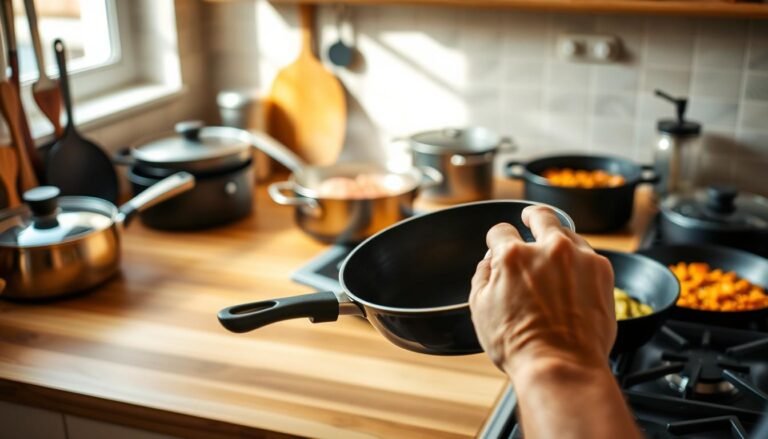
It started as a faint silver line on my trusty breakfast skillet. I didn’t think much of it until my eggs began to stick. That’s when I took a closer look at my favorite nonstick pans.
After just a few years of use, the surface was webbed with fine marks. I noticed one pan looked worse than others. This made me question my routine.
How I Discovered the Issue in My Kitchen
The real moment came when I saw a deep gouge. I realized my metal spatula and haphazard stacking were the culprits. My habits were ruining the coating I depended on.
Early Lessons from Using Nonstick Pans
I learned gentle handling is non-negotiable. Talking to other people confirmed this was a common struggle. Many just replaced their pans every few years.
I decided to research instead. Understanding the nonstick surface science changed my approach. Small, daily care proved more vital than any occasional scrub. This shift saved my cookware and my time.
Understanding Why Cookware Scratches Too Easily
The science behind a nonstick pan’s vulnerability is rooted in its very design. Materials like PTFE (Teflon) are engineered for slipperiness, not hardness. This makes the coating softer than the metal beneath it.
That smooth nonstick surface has a porous molecular structure. It’s great for releasing food. But it can be compromised by harder materials.
Vulnerability of Nonstick Coatings
Traditional nonstick coatings are inherently delicate. A single scrape can break their matrix. This damage often starts a cycle where chips and flaking follow.
Once the surface is breached, the pan loses its non-stick power. It may also release tiny particles. For a deeper look at avoiding this damage, proper care is key.
Impact of Metal Utensils and Rough Surfaces
Metal tools are a primary culprit. So are rough edges from other pans in the cabinet. They create perfect conditions for marks when they drag across the coating.
This roughens the texture, making cleaning difficult. Understanding this helps you choose better tools. Comparing nonstick vs stainless steel cookware highlights different care needs.
Newer ceramic and reinforced coatings offer more resistance. But the core principle remains: gentle handling protects your investment.
Preventing Damage: Proper Use and Maintenance
Protecting your pans starts with the tools you choose for cooking. Consistent, gentle habits are the best defense against wear. I learned that a little daily attention makes a huge difference over time.

Choosing the Right Utensils and Cleaning Methods
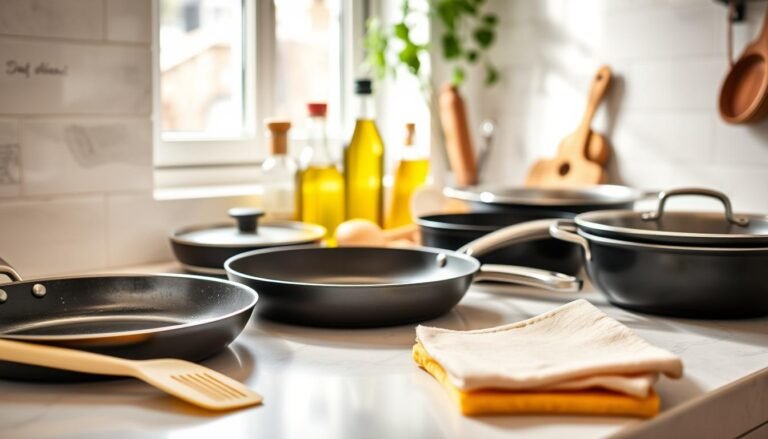
Switching from metal utensils to silicone or wooden ones is the most effective way to protect your pan. Metal can gouge the surface every time you stir food.
Always hand-wash your nonstick cookware. The high heat and harsh chemicals in a dishwasher can degrade the coating. Use warm water, mild soap, and a soft sponge.
Let the pan cool first. Fill it with warm water and a drop of soap. Gently scrub with a nylon brush, then rinse thoroughly.
Daily Care and Routine Maintenance Tips
Never preheat an empty nonstick pan. Add a little oil before turning on the heat. This prevents the coating from breaking down.
Lower the heat when making creamy or sugary food. This stops burning and carbon buildup on surfaces. Wash your pans right after use to prevent food from sticking.
Avoid abrasive steel wool and strong chemicals. Dry your pans completely before storing them. Check your utensils regularly for rough edges that could harm your nonstick cookware.
Effective Fixes and Restoration Techniques
Before you decide to replace a scratched skillet, try these simple home remedies. For minor wear, you can often improve performance with items from your pantry.
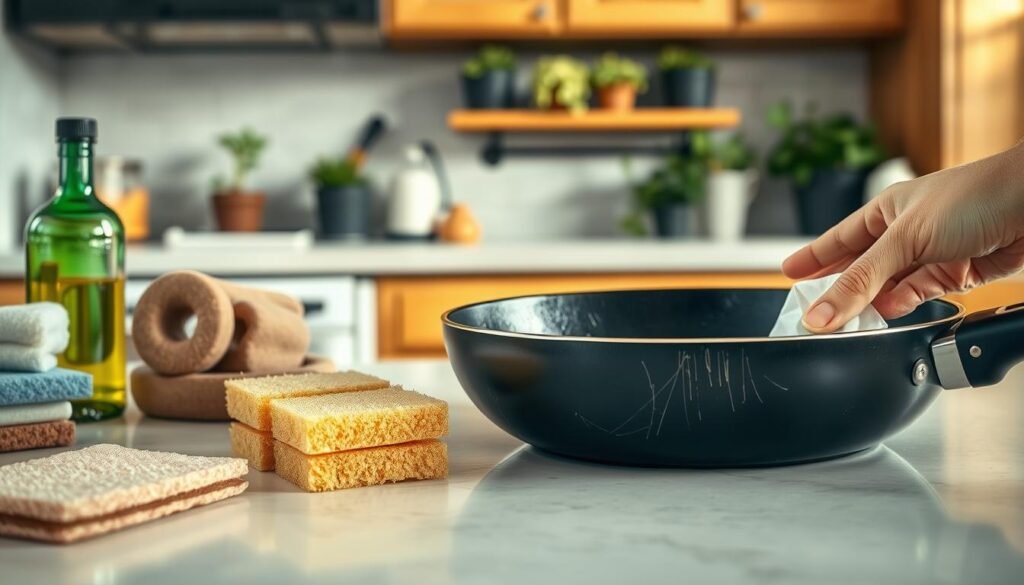
These methods work best on superficial marks. They help dissolve residue and polish the surface.
DIY Solutions with Household Ingredients
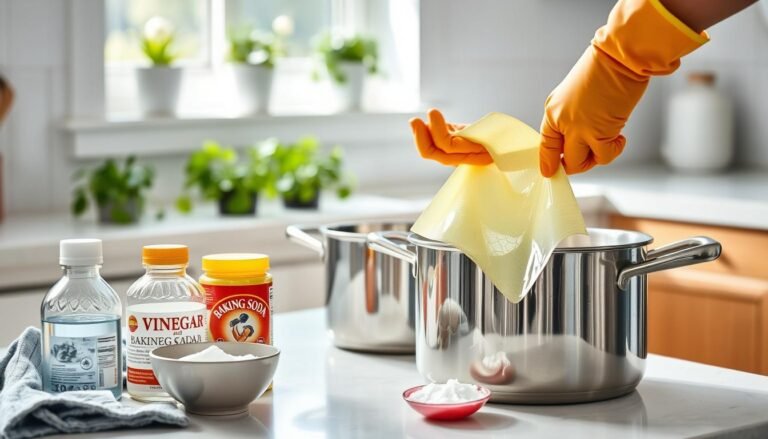
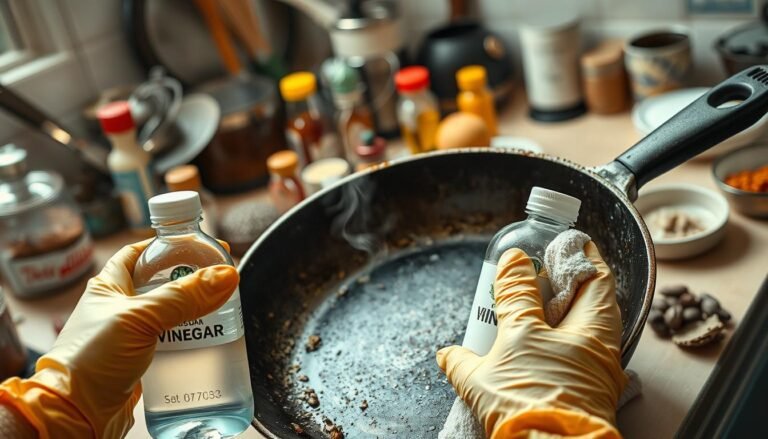
Start by boiling equal parts water and white vinegar in the pan for 10-15 minutes. This dissolves built-up grease and can restore some slickness.
Let the nonstick pan cool. Then, make a paste with baking soda and a little water. Use a soft sponge to gently rub it on the surface in circles.
This acts as a mild abrasive. It polishes minor marks without harming the coating. Rinse and dry thoroughly.
When It’s Time to Replace and Upgrade Your Cookware
These fixes are temporary. Deep scratches, flaking, or warping mean it’s time for a new pan.
A damaged surface can release particles, raising health questions. For a detailed guide on how to restore a non-stick pan, check that resource.
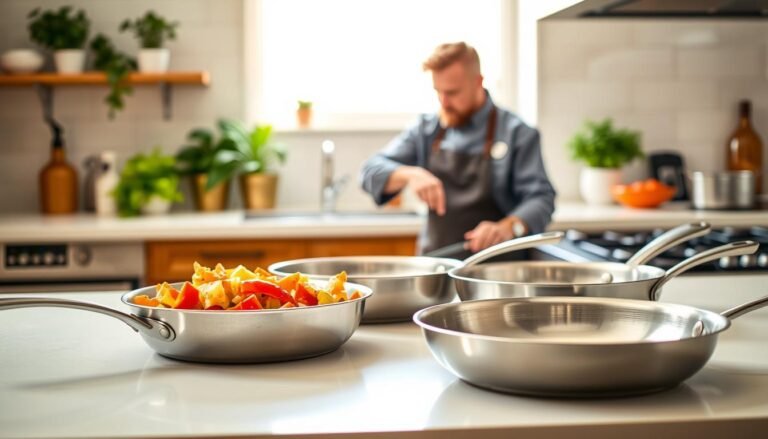
When buying new pans, consider ceramic or stainless steel. They offer easy clean benefits and resist marks better. Investing in durable tools is the best way to protect your kitchen investment for years.
Smart Storage and Organizational Strategies
Your cabinet might be the biggest threat to your pans’ longevity. Stacking them directly creates friction. This damages the nonstick surface every time you move items.

Proper storage prevents scratches more than any other single factor. A simple buffer between pans makes all the difference.
Using Felt Squares and Protective Liners
I use medium-thick craft felt from fabric stores. It costs less than a dollar per square. Cut pieces to match your pan shapes—round for skillets, square for pots.
Place one layer between each piece before stacking. This soft padding prevents scratches and quiets your kitchen. For immediate solutions, use paper towels or a cloth you already own.
Dedicated protectors, like BOYAN, offer superior durability. They stack well and shield the nonstick coating reliably. This small investment protects your expensive items for years.
Optimal Stacking and Cabinet Arrangements
Always stack your pots pans from largest to smallest. Keep similar-sized items together. This reduces pressure and prevents chips.
If space is awkward, store lids separately. Place your most-used nonstick pan on top for easy access. Keep heavier tools, like cast iron, on lower shelves.
These strategies extend the life of your cookware. For more on scratch-free pan storage, explore that resource. When considering new pans, check cast iron buying guides for durable options.
Conclusion
Cooking with confidence means knowing your surfaces are safe and intact. While nonstick items offer great convenience, their softer coating needs protection. A multi-faceted approach using the right utensils, proper heat, and gentle cleaning makes all the difference.
Remember to hand-wash and avoid harsh chemicals. Minor marks can often be polished away. Deep damage that flakes, however, is a health concern requiring replacement.
These simple habits extend the life of your pans for many years. They protect your investment and keep your kitchen running smoothly.
Start today. Your food will release perfectly, and you’ll enjoy cooking more. Good tools, cared for well, serve you faithfully.