Best Cookware for Induction Cooktop That Actually Performs
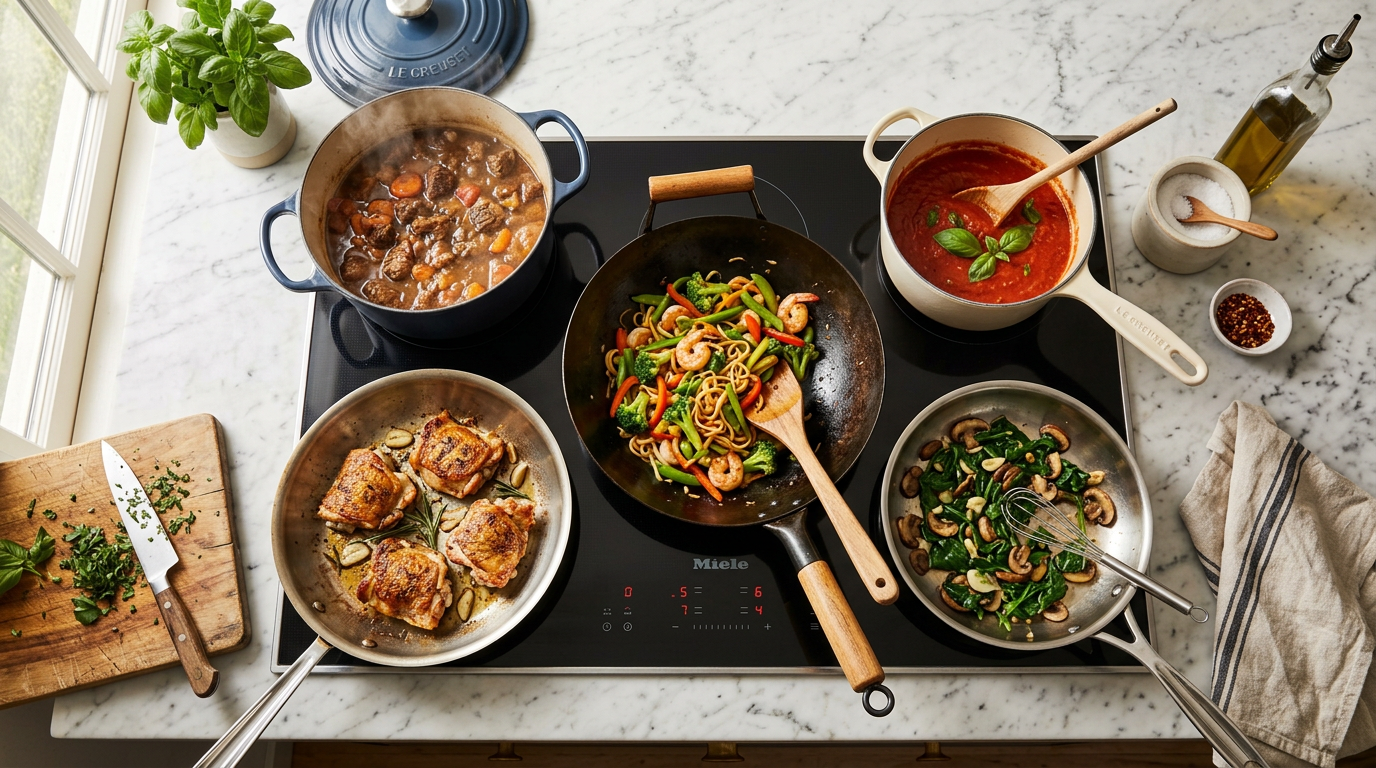
Finding the best cookware for induction cooktop use shouldn’t feel like solving a physics exam — yet here we are. You bought a gorgeous induction stove, fired it up, placed your favorite aluminum skillet on the burner, and… absolutely nothing happened. No heat. No sizzle. Just the cold, humbling realization that half your cabinet is now useless. I’ve spent over a decade testing, reviewing, and genuinely obsessing over cookware, and I can tell you: the wrong pan on an induction burner isn’t just inconvenient, it’s a total waste of money. This guide fixes that.
Table of Contents
- What Makes Cookware Induction-Compatible?
- The Best Cookware Materials for Induction Cooktops
- Common Myths About Induction Cookware — Busted
- What to Look for When Buying Induction Cookware
- Best Cookware Sets for Induction Stoves
- Pro Tips for Maximum Induction Performance
- Frequently Asked Questions
- My Top Recommended Gear
What Makes Cookware Induction-Compatible?
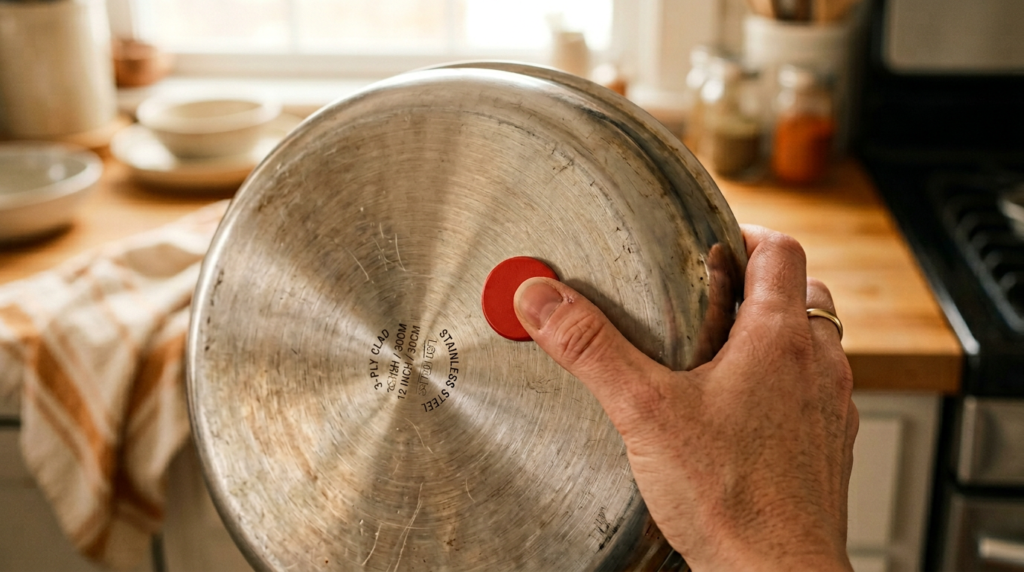
Induction cookware must contain a ferromagnetic material — like magnetic stainless steel, cast iron, or carbon steel — in its base to interact with the cooktop’s electromagnetic field and generate heat. Without this magnetic property, the pan simply won’t activate the burner.
Here’s the science in plain English. An induction cooktop doesn’t produce heat itself. Instead, an electric coil beneath the glass surface creates a rapidly alternating magnetic field. When you place a pan with a magnetic base on that field, electrical currents (called eddy currents) flow through the pan’s metal, and the pan itself becomes the heating element. It’s genuinely brilliant engineering, and the U.S. Department of Energy confirms induction transfers up to 85–90% of its energy directly to the cookware. Gas? About 32%. Yeah.
The simplest test I still use after all these years: grab a fridge magnet. If it snaps firmly to the bottom of the pan, you’re golden. If it barely clings or slides off, that pan belongs on a different stove — or in a donation box. Check out our full list of top-rated cookware for options that pass this test with flying colors.
The Best Cookware Materials for Induction Cooktops
Not all cookware materials play nice with induction. Let me break down what actually works — and what secretly doesn’t.
Magnetic Stainless Steel (The Gold Standard)
I recommend magnetic stainless steel as the go-to induction safe cookware material for most home cooks. Specifically, look for pans built with an 18/0 stainless steel exterior (the “0” means zero nickel, which keeps it magnetic) layered with an aluminum or copper core for heat distribution. Tri-ply and five-ply constructions from brands like All-Clad, Demeyere, and Tramontina absolutely dominate here. They heat evenly, respond quickly to temperature changes, and you can sear a steak without worrying about reactive flavors. Our stainless steel cookware guide goes deeper on construction quality if you want the nerdy details.
Cast Iron & Enameled Cast Iron
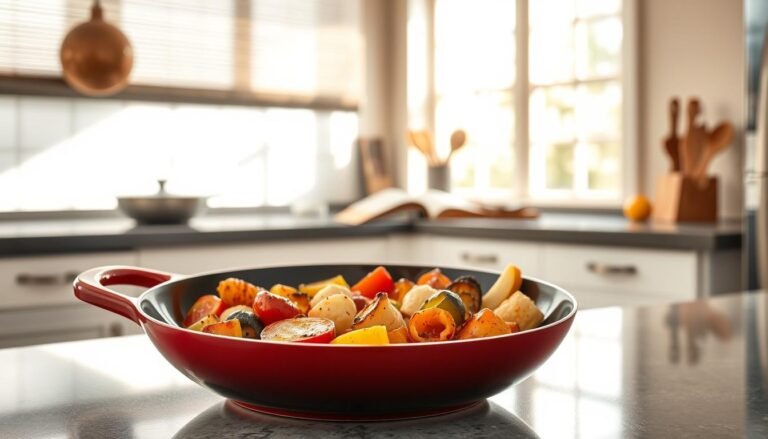
Cast iron is inherently magnetic — it’s literally iron. A Lodge skillet or a Le Creuset Dutch oven will fire up on induction without any fuss. The caveat? Cast iron can scratch glass cooktop surfaces if you drag it, and its heat distribution is slower than clad stainless steel. I always lift my cast iron rather than slide it. Pro move: use a thin silicone mat if you’re paranoid about scratches, though some purists will fight me on that.
Carbon Steel (The Underrated Workhorse)
If you’ve never cooked with carbon steel on induction, you’re missing out — IMO, it’s the most underrated material in the kitchen. Carbon steel is magnetic, lightweight compared to cast iron, and it develops a natural nonstick patina over time. French cooks have used it for generations. It’s the pan I reach for when I want wok-level heat response on my induction burner. I wrote an entire breakdown on carbon steel cookware because I believe that strongly in it.
What Doesn’t Work (Without Help)
Pure aluminum, pure copper, glass, and ceramic cookware are non-magnetic and won’t work on induction cooktops. However, many modern manufacturers — like Mauviel and some All-Clad copper lines — now bond a ferromagnetic stainless disc to the base. Always verify before buying. Purdue University Extension’s guide on cookware materials offers a solid academic perspective on how different metals behave with heat.
Common Myths About Induction Cookware — Busted
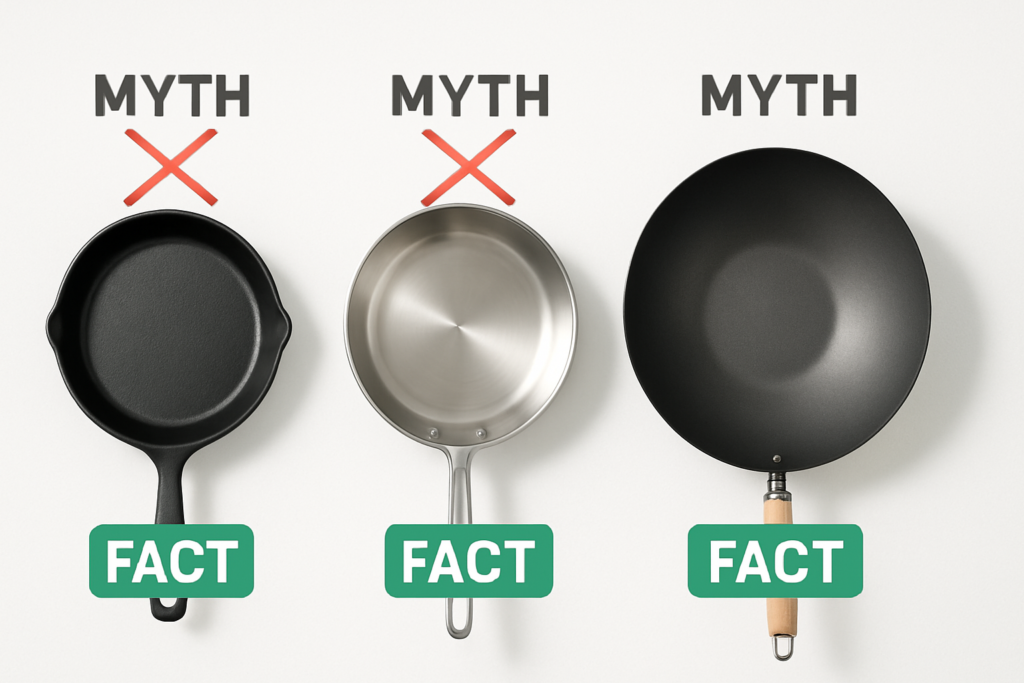
I hear the same misconceptions on repeat. Let me kill them off:
- “Induction cookware is special and expensive.” Nope. Any magnetic pan works. A $25 Lodge cast iron skillet performs beautifully on induction. You don’t need a special “induction” label — you need a magnetic base.
- “Induction cooking gives food a metallic taste.” Absolutely false. The electromagnetic field heats the pan, not the food. There’s no radiation flavor, no weird aftertaste — nothing. This myth likely comes from confusion with reactive metals like unlined aluminum in acidic dishes.
- “You need to replace ALL your cookware.” Only if your entire collection is aluminum or copper. Most people already own at least one or two magnetic pieces. Do the magnet test before panic-shopping.
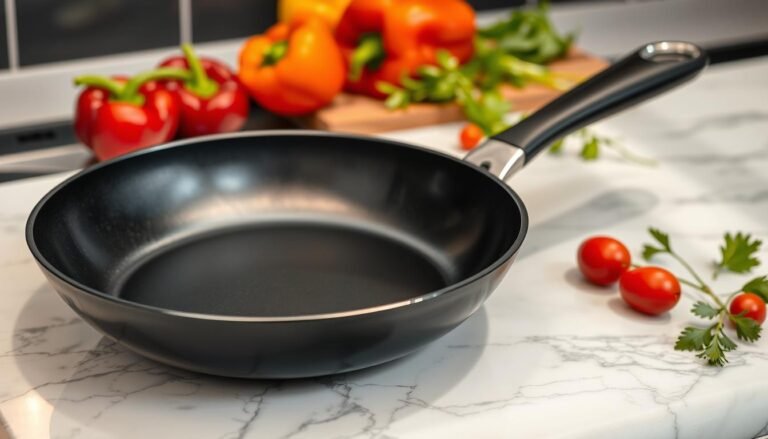
- “Nonstick pans don’t work on induction.” Many do. Plenty of nonstick pans have a magnetic stainless steel base. Just check. The coating on top doesn’t affect induction compatibility — it’s all about the bottom.
What to Look for When Buying Induction Cookware
Consider this your no-nonsense cookware buying guide for induction:
- Flat, heavy base: Induction burners need full, flush contact with the pan bottom. Warped pans with convex bases create hot spots, reduce efficiency, and can cause the burner to cycle on and off erratically. I’ve tested warped pans on induction — the performance drop is staggering.
- Matching pan size to burner size: Most induction cooktops have sensors that detect cookware diameter. Using a tiny pan on a large burner (or vice versa) can result in uneven heating or the burner refusing to activate. Match them within an inch for best results.
- Multi-ply construction over disc-bottom: Fully clad pans distribute heat across the entire sidewall, not just the base. Disc-bottom pans heat only from below, which means your sauces can scorch at the edges where sidewall meets bottom. For serious cooking, go clad.
- Comfortable weight: Cast iron is fantastic but heavy. If you cook daily and have wrist issues, a tri-ply stainless or carbon steel option gives you induction performance without the gym workout. Think about who’s actually using the pan every day.
- The “induction compatible” symbol: Look for the coil-shaped icon on packaging or stamped on the pan’s base. It looks like a zigzag or spring shape. When present, the manufacturer has verified compatibility.
For a broader look at which brands consistently deliver quality, visit our comprehensive brand directory.
Best Cookware Sets for Induction Stoves
When people ask me about best cookware sets for induction, I steer them toward sets that balance material quality, piece count, and real-world usefulness. You don’t need 17 pieces — you need the right 7 or 10.
Expert Commentary: This video provides an excellent hands-on comparison of popular induction cookware sets with real cooking tests — exactly the kind of practical review I wish every buyer watched before spending a dime.
Here’s my honest take on the categories worth your money:
- Best Premium Set: Demeyere Industry5 — Belgian-made, seven-ply construction, and the flattest bases I’ve ever measured. Performs like a dream on induction and lasts decades. You pay for it, but you buy it once.
- Best Value Set: Tramontina Tri-Ply Clad — I’ve recommended this induction stove cookware set for years. Fully clad 18/10 interior with a magnetic exterior, made in Brazil, and priced at a fraction of All-Clad. Honestly kind of wild how good it is for the price 🙂
- Best Cast Iron Set: Lodge — An American icon for a reason. Their sets include skillets, Dutch ovens, and griddles that all work flawlessly on induction. Season them well, and they’ll outlive you.
Pro Tips for Maximum Induction Performance

After thousands of hours cooking on induction, here are the advanced tactics most guides skip:
- Preheat on medium, not high. Induction heats so fast that blasting a cold pan on max can warp thinner bases. I always start at medium and ramp up after 60 seconds. Patience here saves your cookware’s geometry.
- Use a thin layer of oil as a heat indicator. Put oil in the cold pan, set it to medium, and watch the oil shimmer. When it flows like water, you’re ready to cook. This visual cue replaces the hand-hover test you might use on gas — because induction surfaces stay relatively cool to the touch.
- Demagnetization isn’t really a thing. Some forums claim cookware “loses magnetism” over time on induction. I’ve tested 10-year-old pans. Still magnetic. Still working perfectly. Don’t fall for that one 😂
- Mind the buzzing. Lighter, thinner pans can vibrate or buzz on induction due to the electromagnetic frequency. This is normal and harmless but annoying. Heavier, multi-ply pans virtually eliminate it. Wirecutter’s induction cookware testing confirmed this in their extensive evaluations.
Frequently Asked Questions
How do I know if my existing cookware works on induction?
Grab a refrigerator magnet and hold it to the bottom of your pan. If it sticks firmly, the pan is induction-compatible. If it slides off or barely clings, that pan will not work on an induction cooktop.
Can aluminum or copper cookware work on induction cooktops?
Pure aluminum and pure copper are non-magnetic and will not work on induction cooktops by themselves. However, many manufacturers now bond a magnetic stainless steel disc to the base of aluminum or copper pans, making them induction safe cookware. Always verify before purchasing.
Does induction cookware work on gas or electric stoves?
Yes. Induction cookware works on all stovetop types, including gas, electric coil, and glass-ceramic. You are not locked into induction-only use — it’s fully backward compatible.
Is induction cooking more energy-efficient than gas?
According to the U.S. Department of Energy, induction cooktops transfer approximately 85–90% of energy to the cookware, compared to about 32% for gas burners. This makes induction significantly more energy-efficient and faster for boiling and searing tasks.
Do I need special pans labeled “induction compatible”?
Not necessarily. Any pan with a ferromagnetic base works. The “induction compatible” label simply means the manufacturer tested and confirmed it. Many unlabeled cast iron and carbon steel pans work perfectly. The magnet test is your definitive answer.
My Top Recommended Gear
These are the three products I personally recommend after years of testing induction stove cookware. I’ve cooked with each of them extensively:
- Tramontina Tri-Ply Clad 12-Piece Cookware Set — The best bang-for-your-buck induction set on the market. Fully clad, oven-safe, and dishwasher-friendly. I’ve beaten mine up for years and it still looks sharp.
- Lodge 12-Inch Cast Iron Skillet — A bulletproof classic that costs less than a takeout dinner. Pre-seasoned from the factory, perfect sear every time on induction, and it will literally last generations.
- de Buyer Mineral B Carbon Steel Fry Pan — My go-to for high-heat searing and stir-fry on induction. French-made, develops a gorgeous nonstick patina, lighter than cast iron, and responds to temperature changes almost instantly.
Disclaimer: This post contains affiliate links. As an Amazon Associate, I may earn a commission from qualifying purchases at no additional cost to you.