Best Cookware for Beginners
Did you know that 68% of people setting up their first kitchen replace their initial pots and pans within 18 months? Buyer’s remorse is real when you’re staring at a warped skillet or a flaking nonstick surface.
Welcome to the wild world of outfitting your culinary space. The options are endless, and the marketing claims can be downright silly.
This guide is your reality check. We’ll cut through the noise and help you build a foundation of tools that actually work. You’ll learn to spot genuine quality and avoid gear that fails after a few months.
Whether you’re upgrading from hand-me-downs or starting from zero, we provide expert-backed advice. You’ll discover how to balance your budget with performance that lasts. For a deep dive into essential pieces and configurations, check out this resource on a beginner starter set.
We’ve tested products and gathered real-world insights. Our goal is to transform your cooking game with the right equipment. Great meals start with the right tools.
For a broader look at distinguishing marketing hype from genuine quality, this comprehensive buyer’s guide is an excellent companion.
Key Takeaways
- Identify the core pots and pans you truly need, avoiding clutter.
- Understand the pros and cons of materials like stainless steel and nonstick.
- Learn how to balance upfront cost with long-term durability.
- Get tips on features that matter, like even heat distribution and comfortable handles.
- Discover how to care for your new gear to make it last for years.
- Gain confidence to make a purchase you won’t regret.
Understanding the Essentials of Cookware
The difference between a joyful cooking experience and a frustrating one often lies in the basic construction of your equipment. Knowing what to look for turns you from a confused shopper into a savvy one.
What Makes Quality Cookware?
Superior pots and pans aren’t about shiny finishes. They are about performance you can count on. Labs like Good Housekeeping test for even heat distribution, fast boiling, perfect browning, and scorch resistance.
Your gear should have a heft that feels solid, not flimsy. Handles must stay cool and secure. This durability means your investment survives daily use for years, not months.
As one test engineer noted, “A warped pan is a useless pan. Consistent heat is non-negotiable.” That’s the core of a reliable product.
Key Terminology Explained
Decoding the jargon on a box prevents buyer’s remorse. Here’s a cheat sheet for the most common terms.
| Term | Meaning | Why It Matters |
|---|---|---|
| Ply | Layers of metal bonded together (e.g., 3-ply). | More layers often mean better, more even heat spread. |
| Anodized | Aluminum hardened through an electrochemical process. | Boosts durability and creates a non-reactive surface. |
| Induction-Compatible | Base contains magnetic material. | Works on modern induction cooktops; not all pans do. |
| Encapsulated Base | A layer of conductive metal (like aluminum) sealed inside. | Improves heat conductivity in otherwise slow materials like stainless steel. |
Heat conductivity is king. Aluminum heats fast but can dent. Stainless steel is tough but needs that aluminum core to avoid hot spots.
The interior surface quality is just as crucial. A good nonstick coating releases eggs effortlessly. A stainless interior should resist stains and scratches.
Understanding these details helps you spot a well-made product. You’ll ignore the marketing fluff and find tools that truly work.
Top Tips for Cookware for Beginners
Let’s be honest: most people starting out don’t need a 15-piece cookware set that includes a pan specifically for making crepes. The goal is to build a practical arsenal that matches your real-life habits.
Start by ignoring the flashy, oversized collections. Focus on what you’ll actually use daily.
Choosing Your First Set
America’s Test Kitchen’s Lisa McManus advises, “Buy a couple of key pieces that you’re really going to use for the rest of your life.” This wisdom cuts through the clutter.
A common trap is buying doll-sized items from a large set. Instead, opt for larger, versatile pieces. A 12-inch skillet can handle a family stir-fry or a single grilled cheese.
Consumer Reports reinforces this: you can cook a small meal in a large pan, but not the other way around. If storage is tight, one great 12-inch skillet beats three mediocre smaller pans.
Think about your actual cooking habits. Your routine dictates your needs. Do you make soups? A stockpot is essential.
Preparing meals for two? A medium saucepan might be perfect. Quality always beats quantity.
One superb skillet that heats evenly will serve you for years. Five cheap ones will warp and stick quickly.
Your first cookware sets should be a foundation. Learn to master these before adding specialty items. This approach saves money, space, and sanity in modern kitchens.
Material Matters: Stainless Steel, Nonstick, and More
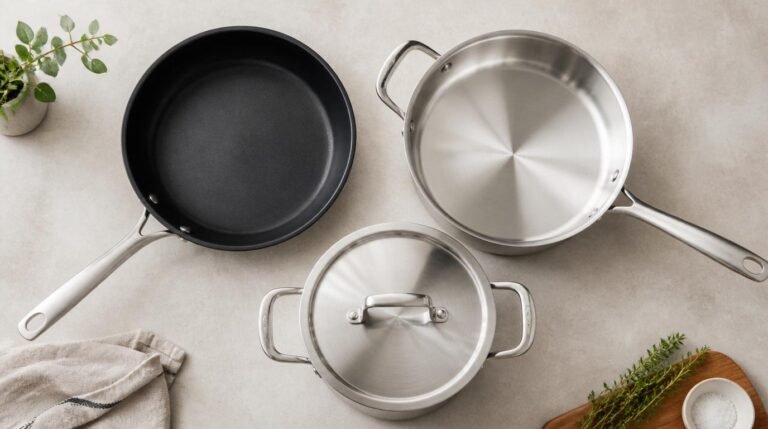
The battle between stainless steel and nonstick isn’t just about price; it’s a fundamental clash of cooking philosophies. Your material choice dictates how your food browns, how easily it releases, and even what kind of stove you can use it on.
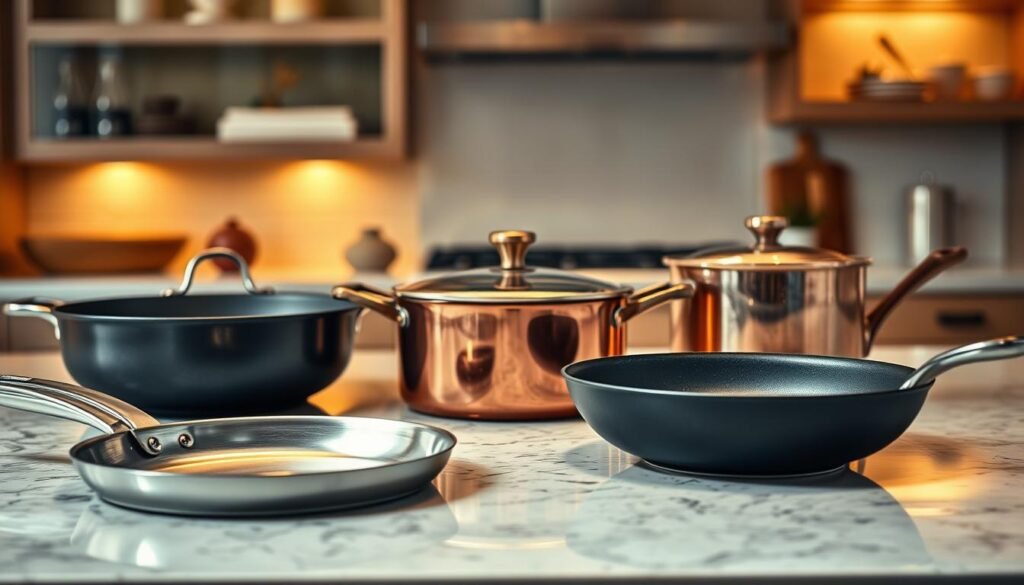
Comparing Cookware Materials
Modern stainless steel cookware is a clever sandwich. Layers of steel encapsulate an aluminum or copper core. This gives you the durability of steel with superb, even heat spread.
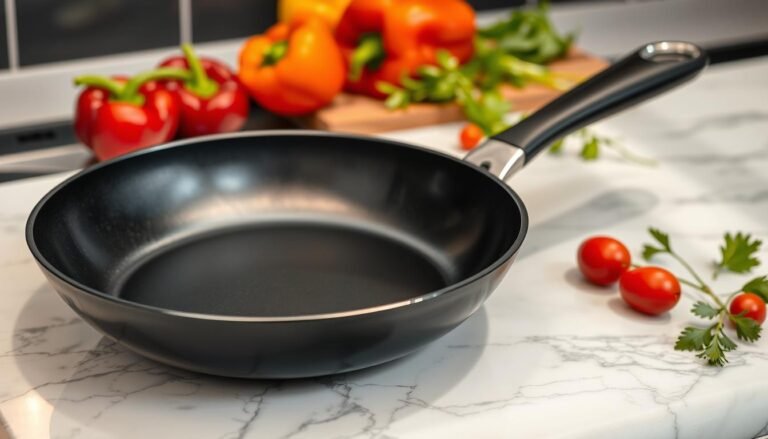
Nonstick options split into two camps. Traditional PTFE coatings (like Teflon) offer legendary food release. Ceramic versions are PTFE-free but often wear out faster. Both make cleanup a dream.
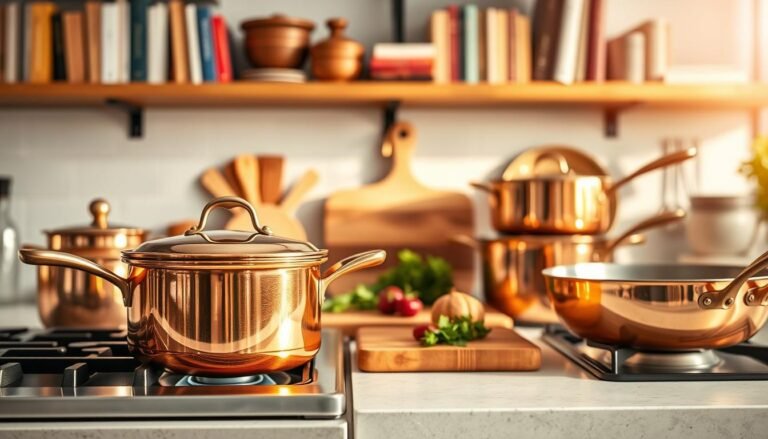
Heavy hitters like cast iron deliver incredible heat retention for searing. Lighter carbon steel is its cousin. Copper is the Ferrari of heat response but costs a fortune and tarnishes easily.
| Material | Heat Performance | Durability | Induction Compatible? | Oven Safe Limit |
|---|---|---|---|---|
| Stainless Steel (3-ply+) | Even, excellent retention | Extremely high | Yes | Often 500°F+ |
| Nonstick (PTFE) | Fast, can have hot spots | Moderate (coatings wear) | Often (check base) | ~400-500°F |
| Cast Iron | Superb retention, slow to heat | Very high (lasts generations) | Yes | Very high (600°F+) |
| Copper | Instant response | High but high-maintenance | No (unless clad) | Varies |
Durability and Heat Performance
These two traits are deeply linked. A thick, multi-ply stainless steel pan resists warping and lasts decades. Its heat performance is consistent and reliable.
A nonstick pan’s durability hinges on its coating. PTFE is tough but sensitive to high heat and metal utensils. Ceramic is more delicate.
Always check induction compatibility if you have that cooktop. Also, verify the oven-safe temperature. This is crucial for finishing dishes or braising. For a detailed breakdown, see our guide on stainless steel vs. nonstick.
Exploring Different Cookware Sets
Navigating the world of bundled pots and pans requires knowing which pieces are workhorses and which are just taking up cabinet space. A set promises convenience, but smart shoppers look past the piece count.
Set Components and Their Purposes
A well-designed collection includes specific tools for specific jobs. You typically find two skillets: a smaller 8-inch one for eggs and a 10 or 12-inch model for main dishes.
Saucepans are the true multitaskers. A 1.5-quart size handles sauces, while a 3-quart version cooks grains or pasta for two. The Hestan NanoBond 10-piece set follows this smart logic perfectly.
These pieces form your daily driver lineup. They cover most cooking tasks without clutter.
From Skillets to Dutch Ovens
Larger pots complete a versatile kitchen. A 6 to 8-quart stockpot is essential for boiling pasta or making soup. Its tight-fitting lid traps heat and moisture efficiently.
The mighty dutch oven is a superstar for braising and baking. A 3-quart sauté pan with straight sides is perfect for one-pan meals. It sears meat and simmers sauce in one vessel.
Remember, a good lid is not an afterthought. Glass lids let you monitor progress without lifting. Evaluate if a set’s components match your real needs, or if you’re better off buying key pieces individually.
Inside the Buyer’s Guide: How We Test Cookware
We don’t just take a brand’s word for it—we scorch, sear, and simmer to see what a pan can really do. Professional testing cuts through marketing fluff to reveal genuine performance.
Heat Distribution and Browning Tests
It starts with a simple heat map. Labs spread Crisco and flour across a cold surface. As it warms, the pattern shows exactly where hot spots hide. This exposes where your food might burn.
Next, a steak hits the blazing stovetop. Can the pan deliver a perfect, restaurant-quality sear? Or does it leave a sad, grey mess? This test also checks how well stuck-on proteins release during cleanup.
Boiling, Scorch, and Ease-of-Cleaning Evaluations
Boiling pasta seems basic. But we time how fast water heats and check if every noodle cooks evenly. We also note if handles stay cool and secure when full.
Intentional scorching sounds cruel, but it’s revealing. We burn a sugary sauce onto the surface. This shows how nightmarish (or easy) cleanup will be after a real kitchen accident.
For nonstick claims, we cook eggs without any oil or butter. If scrambled eggs stick or an over-easy one tears, that coating has failed. Long-term testing with real users reveals how cookware holds up to daily abuse.
These rigorous evaluations ensure our picks are based on data, not hype. You get tools that perform when it counts.
Budget Considerations: Best Value Options
Forget what the glossy ads say—outstanding kitchen gear doesn’t require a second mortgage. You can find impressive performers at reasonable prices if you know where to look.
Smart shopping means ignoring fancy packaging and celebrity names. Focus on features that actually improve your cooking.
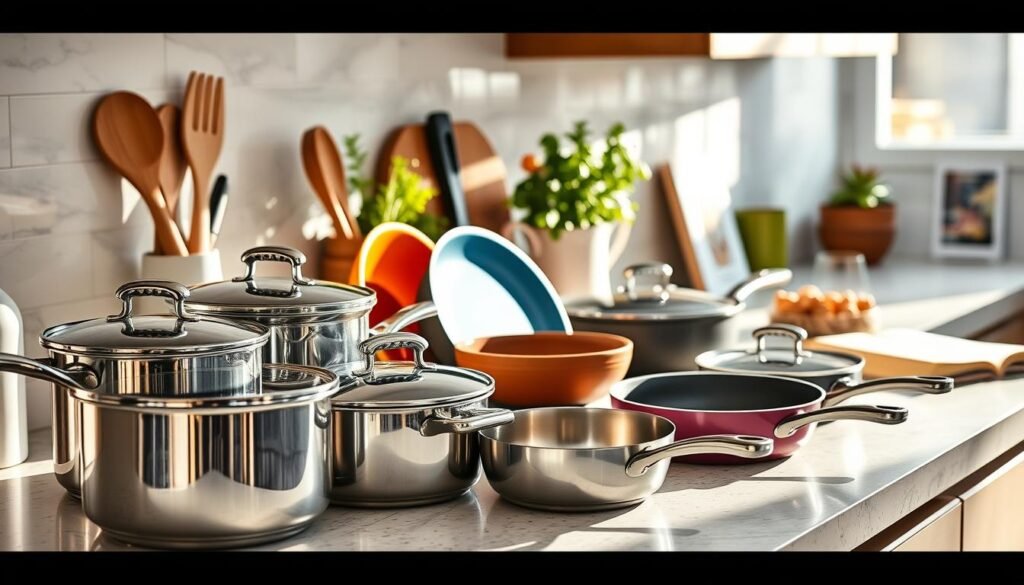
Balancing Quality and Price
The key is prioritizing core performance. Look for even heating, durable construction, and comfy handles.
It’s fine to accept simpler designs if the cookware works perfectly. An aluminum base may discolor, but that doesn’t hurt your food.
| Feature | Ninja Foodi NeverStick Premium 8-Piece Set | Tramontina Gourmet Tri-Ply Clad 12-Piece Set |
|---|---|---|
| Category | Best Value Nonstick | Best Value Stainless Steel |
| Price Point | ~$330 | ~$300 (often on sale) |
| Key Strength | Superior coating durability & easy cleanup | Serious tri-ply performance without premium cost |
| Best For | Lightweight handling & effortless food release | Even heating & oven-safe versatility |
| Consideration | Nonstick coatings have a lifespan | Heavier than nonstick pans |
Affordable Options Without Compromise
These products prove thoughtful engineering beats luxury branding. The Ninja set offers nonstick cookware performance that rivals costlier brands.
The Tramontina set is that rare sweet spot. It delivers professional results for home cooks. You pay for longevity, not just a name.
This approach makes cooking excellence accessible. For a wider look at high-performing best cookware sets, explore our detailed comparisons.
Set Comparisons: From Luxury to Everyday Use
Ever wonder why some pots and pans command four-figure sums while others seem like a steal? The answer lies in construction, materials, and intended lifespan.
High-End vs. Budget-Friendly Picks
Luxury cookware sets like the Hestan NanoBond justify their price. You get titanium-bonded stainless steel and an oven-safe rating to 1050°F.
The All-Clad D5 set is a prestige product. Its five-ply construction ensures legendary heat spread. The Made In 13-piece collection offers pro-grade versatility.
Budget picks deliver shockingly good results. Tramontina’s tri-ply stainless steel performs like costlier brands. Ninja’s nonstick sets provide daily convenience without the markup.
What to Expect with Top Brands
Premium products are built for decades. You pay for refined engineering, generous warranties, and proven track records.
Budget brands focus on core performance. They might need replacement sooner but excel for casual use.
Your choice hinges on cooking frequency and budget. Viewing gear as a lifetime investment? Splurge. Need functional tools for now? Save. Excellent cookware exists at every price.
Exploring Nonstick and Ceramic Cookware Alternatives
The quest for the perfect no-stick surface has led to two main contenders: traditional PTFE coatings and newer ceramic alternatives. Modern options have evolved far beyond the fragile pans of the past.
Benefits and Drawbacks of Nonstick Coatings
Traditional PTFE-based nonstick cookware remains the gold standard for food release. It lets eggs slide out with zero oil. However, it demands temperature discipline—keep it under 400°F.
Scratches or chips mean it’s time for replacement. Newer coatings, like in the Circulon A1 Series, are tougher. Their coating survived over a year with metal utensils and dishwasher cycles.
This demolishes the myth that all nonstick pans are delicate. The easy clean factor is a huge plus for quick meals.
Ceramic Cookware Insights and Maintenance
Ceramic options appeal to those avoiding PTFE. They offer PTFE-free peace of mind and light-colored interiors. This helps you see your food browning clearly.
Sets like the GreenPan Valencia Pro showcase advanced ceramic tech. They provide even heat, are oven-safe to 600°F, and are lightweight.
Their initial performance rivals traditional nonstick, but the coating can degrade faster. Using silicone or wood utensils extends its life. This prevents the heartbreak of a scratched pan.
Understanding these trade-offs helps you choose. Do you want proven release or eco-friendly appeal? Both offer easy clean convenience that beginners love.
Caring for Your Cookware: Cleaning & Maintenance
The secret to gear that lasts decades isn’t a magic coating. It’s simple, consistent care. Treat your pots right, and they’ll reward you with years of reliable use.
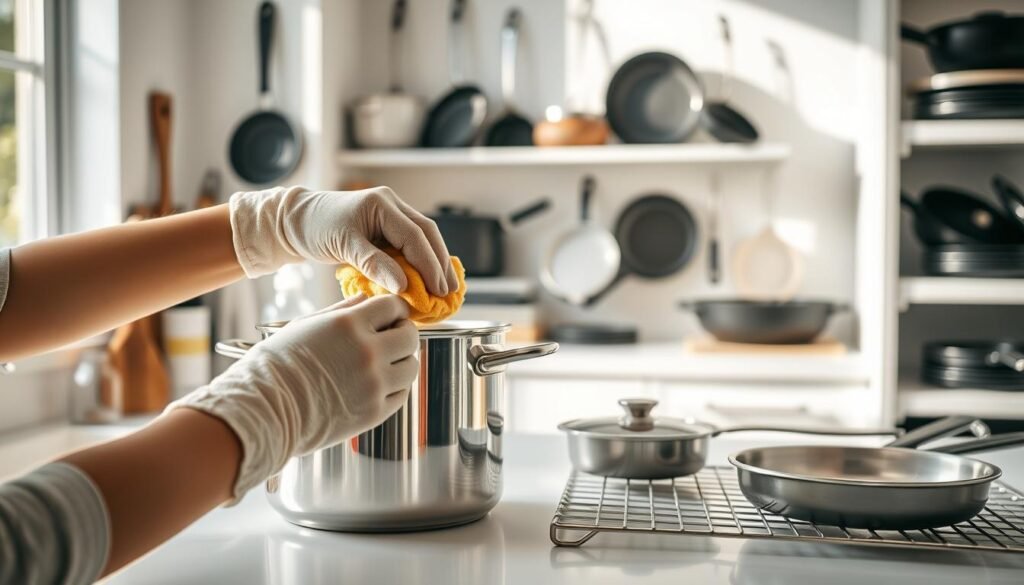
Dishwasher vs. Hand-Wash Tips
That dishwasher-safe label is tempting. But hand-washing almost always wins for preserving your product. High-heat cycles can dull finishes over time.
Stainless steel often recommends hand-washing. It keeps the finish looking new. Nonstick pans might claim dishwasher safety. Yet hand-washing extends the coating’s life significantly.
Aluminum bases may discolor in the machine. This is common with sets like Ninja. Don’t worry—it’s just cosmetic and doesn’t hurt performance.
Proper Storage for Longevity
How you put your pans away matters. Scratches from haphazard stacking are a major cause of surface damage.
Invest in pan protectors. Brands like GreenPan include them. They create a buffer between pieces. Hanging racks are another smart kitchen solution.
Give each piece a little space. This prevents dings and preserves the surface. Your future self will thank you.
| Material | Washing Advice | Storage Tip | Durability Note |
|---|---|---|---|
| Stainless Steel | Hand-wash preferred; use Bar Keeper’s Friend for deep cleans. | Stack with cloth or protectors between. | Extremely high; can last a lifetime. |
| Nonstick (PTFE) | Hand-wash with soft sponge; avoid abrasive scrubbers. | Never stack without protection; hang if possible. | Coating has a lifespan; eventual replacement expected. |
| Ceramic | Gentle hand-wash; avoid metal utensils. | Use included protectors; avoid extreme temperature shocks. | Initial easy clean performance is excellent but may degrade. |
Some finishes, like Hestan’s color, may deepen with use. A special cleaner can restore them. Even a well-loved Le Creuset pot from 2013, with minor stains, still works perfectly.
A few extra minutes of care after each use pays off. It boosts durability and keeps your product performing beautifully for years.
Practical Tips for Everyday Kitchen Use
The real magic happens when you learn the simple tricks that make any pan perform like a pro. It’s not about having the fanciest gear; it’s about using what you’ve got with a bit of savvy.
Maximizing Cookware Efficiency
Preheating is your secret weapon. Give that stainless steel skillet 2-3 minutes over medium heat. Flick a water drop in—if it dances and vanishes, you’re ready to cook. This prevents food from welding itself to the surface.
Don’t be shy with fat. A generous glug of oil or a pat of butter creates a non-stick barrier on stainless surfaces. It also builds flavor. Remember, eggs won’t slide from stainless like they do from nonstick.
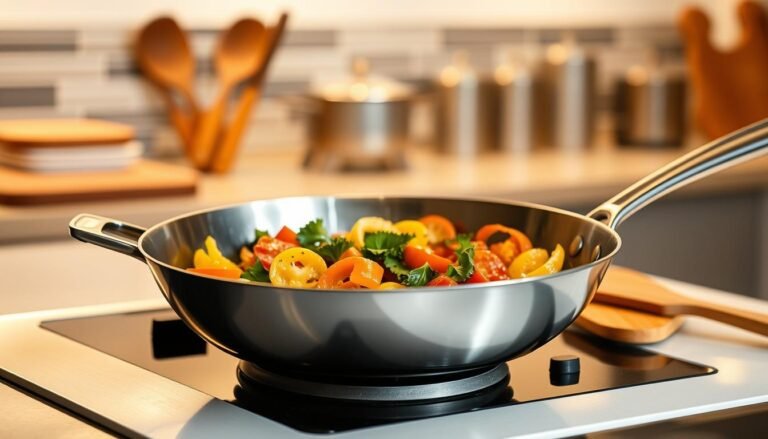
Temperature management is key. Nonstick pans prefer medium heat to protect their coating. Stainless steel loves a hotter stovetop for a proper sear. Matching the heat to the pan type avoids disasters.
Size matters. As Consumer Reports notes, you can cook a small meal in a large pan, but not the reverse. A 12-inch skillet gives your food room to breathe and brown, not steam.
Pair your tools to the task. A saucier, like Made In’s 3-quart version with curved edges, boils water faster than a standard saucepan. Use it for sauces and grains. Save your Dutch oven for braises.
Learn your equipment’s quirks through regular use. Does it run hot? How long does preheating really take? This time-saving knowledge turns cooking from a guess into a groove.
These practical moves transform your kitchen experience. For a solid list of foundational essential pots and pans, that guide is a great next step.
Real-World Reviews and Expert Recommendations
Forget the shiny showroom demo. The true test of a skillet is what happens after three years of Tuesday night tacos.
Lab data is clean, but kitchen feedback is gloriously honest. It reveals how pieces survive daily chaos.
What Consumers and Experts Say
Good Housekeeping tested over 200 cookware sets. Their data-driven top picks cut through marketing fluff.
Real-world reviews add crucial context. A Hestan skillet maintained excellent condition after five years of near-daily use.
A Ninja tester with two young kids used their set daily for three years, including dishwasher cycles. That’s a serious endorsement.
Consumer testers praise Tramontina for its solid feel and comfortable handles. One loved a Circulon pan for the “best omelettes ever.”
Lab Test Highlights and Long-Term Performance
Long-term data separates temporary darlings from enduring favorites. Tramontina fry pans used in a lab for years held up well, with only some discoloration.
Circulon’s coating withstood over a year with metal utensils. GreenPan maintained its nonstick cookware performance after six months of daily use.
Brands like Made In and All-Clad D5 continue to stand up to regular use. A Le Creuset Dutch oven bought in 2013 was replaced recently only for a color preference.
The types of pots pans that earn consistent praise share traits. They offer even heat, reduce cooking fatigue, and survive the learning curve.
These combined insights from experts and users give you confidence. You can invest in a stainless steel cookware product knowing it will perform for years, not just weeks.
Conclusion
Armed with knowledge, you’re now ready to move from research to the rewarding clatter of a skillet hitting the stove. Your journey to a well-equipped kitchen starts with a few essential pieces: a versatile skillet, a reliable saucepan with a tight-fitting lid, and a stockpot for larger tasks.
Remember, building a collection is a marathon, not a sprint. Focus on quality over quantity, choosing tools you’ll actually use daily. Proper care will dramatically extend your cookware’s lifespan, making even modest investments last for years.
Don’t let overthinking stall you. The real learning happens when you start cooking. For help narrowing down your final choices, our detailed comparisons offer excellent side-by-side evaluations. Now, go select your pots and pans with confidence and start creating delicious memories.