Best Induction Cookware (Top Picks for 2026) Induction-Compatible Sets & Pans That Perform
Induction is fast and efficient—but it’s picky. Your cookware must be magnetic and ideally have a flat, stable base that doesn’t warp. This guide focuses on induction cookware that reliably engages burners and heats evenly.
Affiliate disclosure: TopCookwareBrands.com is reader-supported. If you buy through links on this page, we may earn a commission at no extra cost to you.
Quick Picks
- Best Overall: Tri-ply stainless cookware (induction-compatible)
- Best Budget: Verified induction-compatible stainless set
- Best Cast Iron: Heavy, stable option for searing
- Best Nonstick for Induction: Induction-rated nonstick skillet with stable base
Induction Compatibility Checklist (Don’t Guess)
- Magnet test: if a magnet sticks to the bottom, it usually works
- Flat base: warped cookware can lose contact and heat unevenly
- Correct size: match pan diameter to your burner zone
- Weight vs control: heavier pans are often more stable on induction
Comparison Table
| Pick | Best For | Material | Stability | Tradeoff | Link |
|---|---|---|---|---|---|
| Best Overall | Most kitchens | Tri-ply stainless | High | Technique needed for sticking | Check price |
| Best Cast Iron | Searing + heat retention | Cast iron | Very high | Heavy; slower response | Check price |
| Best Nonstick | Eggs + easy cleanup | Induction-rated nonstick | Model-dependent | Coating wears over time | Check price |
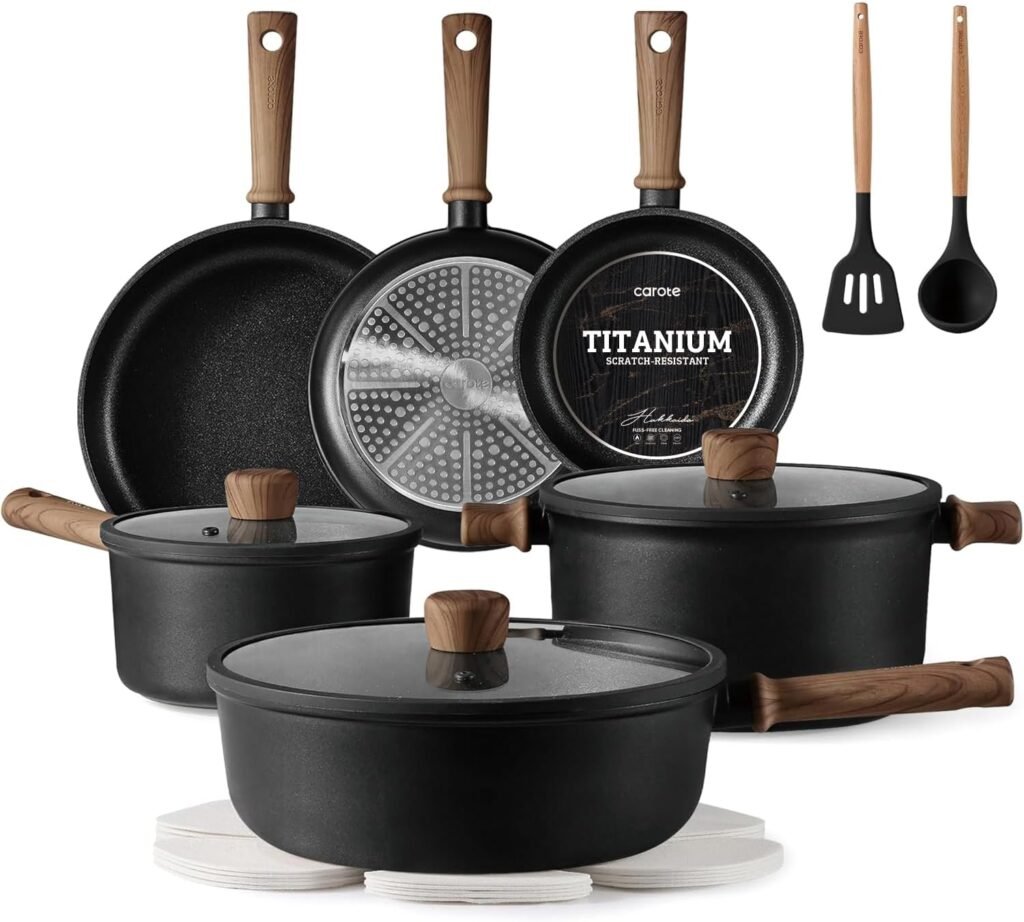
Best Overall Induction Cookware: Tri-Ply Stainless
Why it wins: stable, consistent performance and broad versatility. Most induction owners do best with tri-ply stainless as the core material.
- Best for: searing, sauces, boiling, sautéing
- Why induction owners like it: stable base + even heating
- Watch-out: confirm “induction compatible” on the specific model
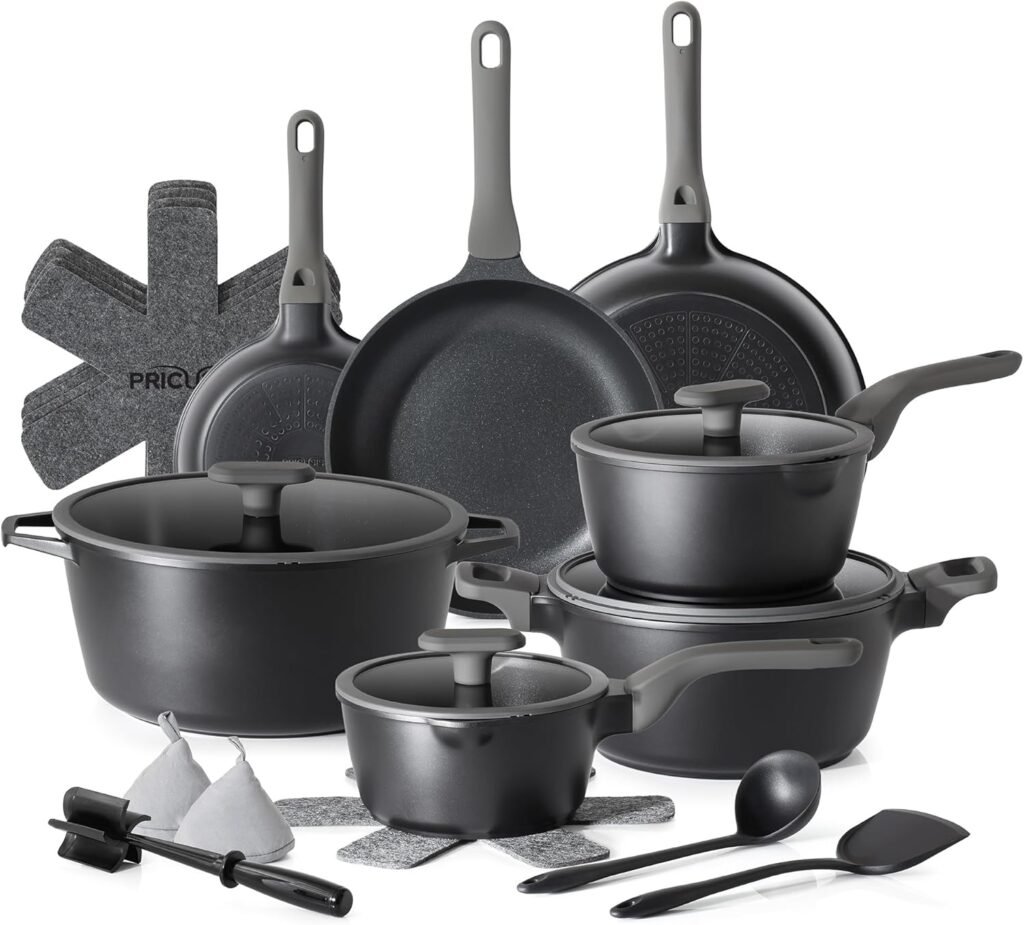
Best Cast Iron for Induction
Why it works: cast iron is naturally induction-friendly and extremely stable. It shines at searing and heat retention.
Best Nonstick for Induction
What to look for: induction-rated base, flat bottom, and a size that matches your burner zone. Induction can reveal warping issues quickly—so stability matters.
What to Avoid on Induction
- Cookware that’s “maybe” compatible (if the listing is vague, skip it)
- Thin pans that warp easily
- Pans smaller than your burner zone (can heat inconsistently)
FAQs
How do I know if a pan works on induction?
If a magnet sticks to the bottom, it usually works. Also confirm “induction compatible” on the product specs.
Why does my pan buzz on induction?
Some cookware can vibrate slightly with induction energy, depending on construction and burner settings. A sturdier base often reduces this.
Is stainless steel always induction compatible?
No. Many are, but not all. Always confirm the exact model is induction compatible.