Best Cast Iron Cookware for Beginners: Top Reviewed Picks
What if one kitchen tool could transform your cooking forever? Many home chefs overlook traditional methods, but the right equipment makes all the difference.
Starting with cast iron can feel daunting. This guide cuts through the noise. We tested numerous pieces side-by-side in professional kitchens.
Our evaluation covered frying, searing, baking, and sautéing. We looked at weight, heat distribution, and pre-seasoning quality. Handle design and ease of use were crucial factors for newcomers.
You’ll find options from budget-friendly to heirloom-quality. Our top picks deliver exceptional performance at their price points. This roundup provides clear, actionable recommendations based on real data.
Table of Contents
Key Takeaways
- This guide is based on extensive testing in professional kitchens, evaluating performance across multiple cooking scenarios.
- Recommendations cover the full spectrum, from budget-friendly pieces under $50 to premium heirloom-quality items.
- Each product was evaluated on key beginner-friendly factors like weight, heat distribution, and handle design.
- Specific top performers are identified, including options for overall performance and best budget value.
- The analysis eliminates confusion by providing clear choices backed by expert testing.
- You’ll understand why this traditional material remains an essential tool for any serious home cook.
- Discover which specific models deliver the most reliable results for those just starting their journey.
Introduction to Cast Iron Cookware
Imagine a kitchen tool that gets better with each use, a concept foreign to most modern cookware. This is the legacy of a material that shaped home cooking for generations.
Historical Significance and Timeless Appeal
Long before synthetic coatings, these heavy-duty pans were the original nonstick solution. Legendary American companies like Griswold and Wagner produced them from the late 1800s onward.
Their pieces are so valued that enthusiasts hunt for them at estate sales. They often restore finds using techniques like electrolysis rust removal.
| Feature | Vintage Pieces | Modern Options |
|---|---|---|
| Surface Finish | Often smoother, hand-finished | Textured, pre-seasoned |
| Weight | Generally lighter | Often heavier |
| Typical Source | Estate sales, auctions | Retail stores, online |
| Collector Value | High, especially for rare marks | Low, functional focus |
The true value isn’t in its age, but in its proven performance over decades. A well-maintained pan becomes a family heirloom.
Unlike coated alternatives that wear out, this material improves. Layers of seasoning build a natural, slick surface over time.
Its enduring appeal combines superior heat retention with exceptional durability. Today’s market offers both affordable traditional skillets and premium pieces mirroring vintage quality.
Understanding this history shows why it remains a kitchen essential despite new innovations.
Why Cast Iron is a Kitchen Essential
Durability, versatility, and superior performance make this traditional material a must-have for any kitchen. It outlasts modern alternatives and improves with age.
Durability, Heat Retention, and Versatility
This heavy-duty metal can handle any utensil, even metal ones. You won’t scratch or damage the cooking surface.
It holds heat exceptionally well. This means consistent, high temperatures for perfect searing. You get a crispy crust on steaks and chicken.
Start a meal on the stovetop and finish it in a hot oven. The pan moves from burner to broiler without worry. For those using an induction stovetop, explore our guide to the best induction cookware.
Developing a Naturally Nonstick Surface
The magic is in the seasoning. Oils bond to the iron through polymerization.
This creates a smooth, glassy nonstick surface that gets better every time you cook. It’s perfect for eggs, cornbread, and sautéed greens.
Unlike coated pans that wear out, this layer improves. Your skillet becomes more effective over decades of use.
Overview: Best Cast Iron Cookware Features
A skillet’s performance hinges on subtle details like its finish and how the handle meets your palm. These elements define daily usability more than brand names alone.
Materials, Weight, and Design Considerations
The material quality in these pans varies. Traditional, rough-textured options often weigh 5 to 7 pounds. Modern, smooth-finished designs are lighter.
For a similar 10-inch size, weight is a major factor. The Lancaster skillet weighs just 4 pounds. The Field Company No. 8 model is 4.5 pounds.
Lighter pans around 4 to 4.5 pounds are easier to lift and clean. Heavier ones can strain your wrists. A helper handle is crucial for moving a full, heavy pan.
Handle design affects comfort and safety. Look for an ergonomic shape that fits your grip. This reduces fatigue during long cooking sessions.
The cooking surface texture matters greatly. Smooth, polished finishes release food easily. Rough, pebbly surfaces need more seasoning work.
Wall thickness changes heating. Thinner walls heat faster but hold less heat. Thicker walls take longer to preheat but keep temperature steady.
Well-defined pour spouts prevent messy drips. This feature varies by maker. For a wider selection, check this comprehensive guide to cast iron cookware.
| Feature | Traditional Rough-Textured | Modern Smooth-Finished | Premium Machined |
|---|---|---|---|
| Typical Weight (10″) | 5-7 lbs | 4-5 lbs | 4-4.5 lbs |
| Surface Texture | Rough, pebbly | Smooth, pre-seasoned | Glass-smooth, polished |
| Handle Design | Basic, often heavy | Ergonomic, lighter | Refined, vintage-style |
| Best For | Budget-conscious users | Everyday ease | Heirloom quality |
Pre-Seasoned vs. DIY Seasoning Explained
Understanding seasoning is the first step to mastering your new pan, whether it comes pre-treated or bare. This layer transforms raw iron into a slick surface.
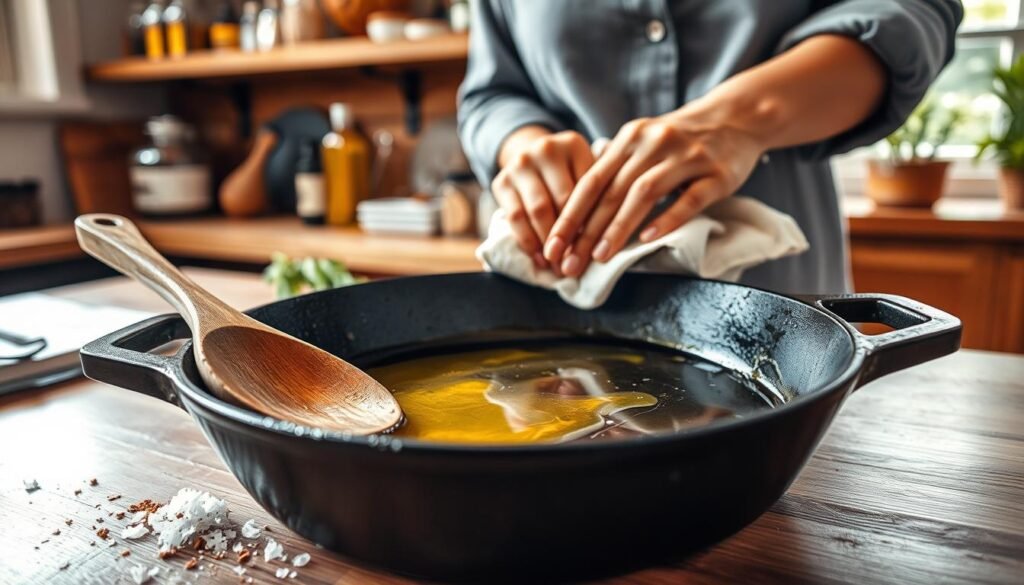
Benefits of a Factory-Preseasoned Pan
Many brands apply a base coat at the factory. Victoria cast-iron skillets use multiple layers of flaxseed oil.
They arrive glossy and relatively nonstick right out of the box. This gives beginners a reliable head start.
Rough, pebbly-textured pieces benefit most from this robust pre-seasoning. Their surface is more prone to sticking initially.
Smooth, polished skillets like Lancaster models have lighter factory coats. Their fine finish naturally resists sticking even with minimal treatment.
Building Up a Robust Seasoning Layer
You can add layers at home. Start with a completely dry pan. Rub a thin coat of high-heat neutral oil over it.
Place it upside down in a hot oven at 450–500°F. Bake for one hour. Let it cool inside the oven.
Repeat this process several times when the skillet is new. Each cycle builds a darker, more durable patina.
Enthusiasts often say the best seasoning comes from regular cooking. Every meal deposits a micro-layer of polymerized oil.
This ongoing care turns your pan into a trusted kitchen companion. It sets realistic expectations for the break-in period.
Product Roundup: Top Reviewed Cast Iron Skillets
Our side-by-side kitchen tests revealed clear winners in both premium and budget categories. Two specific products stood out for their exceptional performance and value.
Highlights from Lancaster and Victoria Models
The Lancaster No. 8 is a premium pick. It features a 4.5-pound weight and a glass-smooth cooking surface.
This piece heats remarkably fast. Its updated design now includes a helpful second handle.
The Victoria model is the standout budget choice. It costs just $35 and arrives with a glossy, pre-seasoned finish.
This pan includes wide pour spouts and a sturdy helper handle. It’s ready to use straight from the box.
Comparative Pros and Cons
Each skillet excels in different areas. Your choice depends on your priorities for cooking and budget.
| Feature | Lancaster No. 8 | Victoria Cast-Iron |
|---|---|---|
| Price Point | $175 | $35 |
| Weight (10″ size) | 4.5 lbs | 5.5 lbs |
| Cooking Surface | Polished, smooth | Textured, pre-seasoned |
| Heating Speed | Very fast | Standard |
| Pour Spouts | Two, standard | Two, extra wide |
| Helper Handle | Yes (recent update) | Yes, comfortable |
| Best For | Heirloom quality, daily use | Budget-friendly start |
The Lancaster’s lightweight design and quick heating are major advantages. The Victoria’s affordable price and effective factory seasoning make it a fantastic first iron skillet.
Main Keyword Focus: Best Cast Iron Cookware for Beginners
Choosing your first piece of this classic kitchenware is a pivotal step in your culinary journey. Our testing focused on finding pieces that set new users up for success, not frustration.
Key factors include initial cost, weight, and the quality of the factory-applied seasoning. A good pre-seasoned layer minimizes food sticking during the crucial learning phase.
The ideal starter skillet weighs between 4 and 5.5 pounds. This provides enough heft for excellent heat retention but remains manageable for daily tasks.
Look for comfortable handles and a helper handle if available. An awkward grip is a common reason people think cast iron is difficult to use.
Budget-conscious beginners can find superb options between $20 and $40. These pieces perform well and develop a better nonstick surface over time.
For a wider perspective on quality cookware, explore additional resources. Remember, even an affordable pan becomes a trusted kitchen companion with regular use.
How We Tested Cast Iron Pans
Our testing process was designed to mimic the daily routines of home cooks, not sterile lab conditions. We focused on practical tasks to see how each piece performs in a real kitchen.
Side-by-Side Performance Evaluations
Multiple testers first handled each cast iron pan. They assessed weight, grip comfort, and ease of maneuvering on a stovetop.
Next, we fried eggs using a small amount of oil. Sunny-side up and scrambled preparations tested the factory seasoning. Some skillets released food perfectly, while others showed sticking.
We then seared skin-on chicken thighs. This revealed how evenly heat spread across the cooking surface. We also timed how long each pan took to reach 375°F.
After cooking, we washed each piece with hot water. We noted any spots where the initial seasoning seemed weak or wore away.
Real-World Cooking Scenarios
To create a fair baseline, we re-seasoned all pans in an oven at 500°F for one hour. This standardized process showed how different surfaces accept new layers.
We cooked eggs again after this treatment. Smooth-finished iron showed a dramatic improvement in nonstick performance. Rough-textured cast iron improved more slowly.
Our final recommendations are based on these hands-on, real-world trials. They reflect how the pans will actually work for you at home.
What to Look for in a Cast Iron Pan
Selecting the right piece involves more than just picking a brand name. It’s about understanding the core features that affect daily use. Our evaluation focused on traditional, raw cast iron skillets.
We omitted enameled pieces and specialty griddles. We also required all handles to be oven-safe. Our standard was a 10-inch diameter, the most common and versatile size.
Material Quality and Construction
The material source matters. American-made iron often has better consistency. Imported options can have rough edges or uneven walls.
Surface finish is crucial. A smooth, machined surface releases food easily. A rough, sand-cast finish needs more break-in time.
Wall thickness affects heating. Thinner walls heat faster. Thicker walls hold heat longer for steady cooking.
Ensure the entire pan, including its handle, is oven-safe to 500°F+. This is vital for seasoning and finishing dishes.
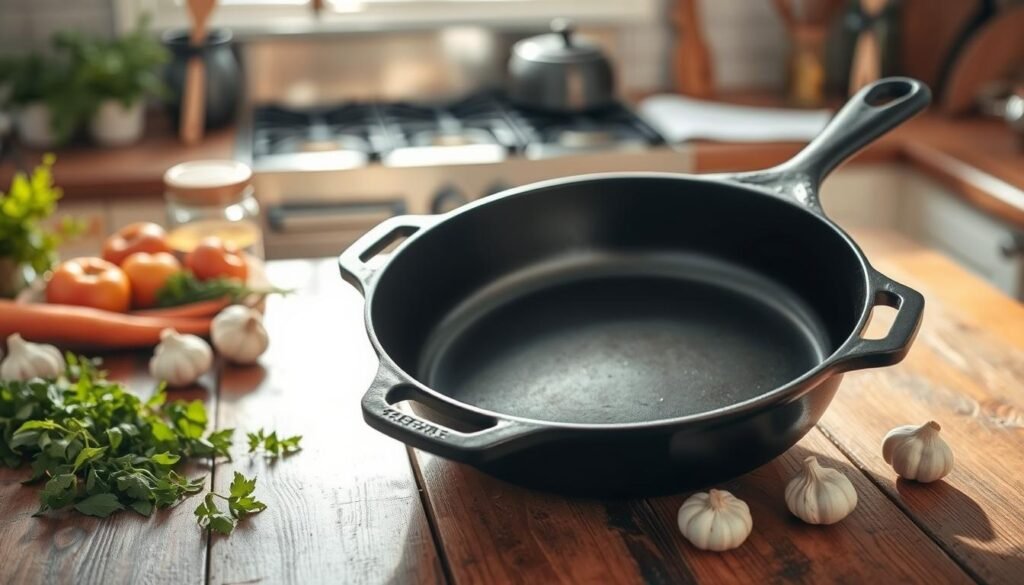
Design and Ergonomic Features
Handle design impacts comfort. A longer handle stays cooler on the stovetop. An ergonomic curve reduces hand fatigue.
Weight is a key factor. A skillet between 4 and 5 pounds offers great heat retention. It remains manageable for most cooks.
Pans over 5.5 pounds need a helper handle. This provides crucial support when moving a full pan.
Look for wide, well-defined pour spouts on both sides. Good spouts prevent messy drips when draining oils.
Wall height adds versatility. Two-inch walls suit most frying. Three-inch walls better contain splatter during high-heat searing.
| Priority | Key Feature | Ideal Spec |
|---|---|---|
| Daily User | Weight & Handle Comfort | 4-5 lbs, ergonomic grip |
| Budget Buyer | Surface Finish & Price | Smooth pre-seasoning, under $40 |
| Heirloom Seeker | Material & Construction | American-made, even walls, oven-safe |
For a deeper dive into material choices, including raw vs enameled cast iron, explore additional resources. The right specs make your skillet a joy to use for years.
Cast Iron Versus Other Cookware Options
In the world of kitchen essentials, few comparisons are as telling as that between seasoned iron and synthetic coatings. Each material serves a purpose, but their core strengths differ greatly.
Comparing with Stainless Steel and Nonstick Alternatives
Stainless steel and carbon steel pans heat up fast. Yet, they lack the superior heat retention of heavy iron. This makes searing meats trickier.
Modern nonstick cookware excels with eggs. Its coating, however, wears down after a year or two. A well-kept cast iron skillet improves for decades.
That seasoned surface handles metal tools without fear. It also survives the high temperatures that ruin delicate nonstick finishes.
Oven-Safe and Stovetop Benefits
Versatility is a major win. You can start a meal on the stovetop and finish it in a hot oven. This is perfect for dishes like frittatas or thick steaks.
This pan works on gas, electric, and induction ranges. You can even use it on an outdoor grill. Few other materials offer this flexibility.
| Feature | Cast Iron | Stainless Steel | Nonstick Pan |
|---|---|---|---|
| Heat Retention | Excellent | Good | Poor |
| Max Oven Temp | 500°F+ | 500°F+ | 400-500°F |
| Surface Durability | Improves Over Time | Very High | Low (1-3 yrs) |
| Ideal For | Searing, Baking | Sauces, Browning | Delicate Eggs |
The trade-off is clear. You invest a little more care for a tool that lasts a lifetime. It withstands techniques that destroy modern options.
Innovations in Cast Iron Skillet Design
A quiet revolution is reshaping the classic kitchen skillet, blending old-world charm with new-world precision. Brands like Lancaster and Field Company lead this change. They draw direct inspiration from prized vintage pieces.
Modern Upgrades with Vintage Appeal
These contemporary pieces revive pre-1950s machining techniques. The goal is a smooth, polished cooking surface. It mimics the feel of heirloom Griswold skillets.
Precision machining removes rough, pebbly texture. It leaves just enough microscopic texture to hold seasoning well. This design improves food release dramatically.
Thinner sidewalls cut weight by 1-2 pounds. Heat retention remains excellent for all tasks. Ergonomic handles are refined from decades of feedback.
Helper handles are now common on updated models. They make moving a full skillet much safer. Premium pricing reflects small-batch American manufacturing.
| Feature | Modern Premium Design | Traditional Design |
|---|---|---|
| Cooking Surface | Machined, glass-smooth | Rough, sand-cast texture |
| Weight & Walls | Lighter, thinner walls | Heavier, thick walls |
| Manufacturing | Often uses recycled iron | Virgin iron material |
| Price Point | Heirloom investment | Budget-friendly |
This new era of cast iron skillet offers the best of both worlds. You get vintage performance with modern ergonomics.
Budget-Friendly Cast Iron Cookware Choices
Finding a high-performing kitchen tool doesn’t require draining your savings account. Two specific models prove that exceptional value is readily available.
The Victoria and Lodge brands offer skillets that perform far above their price point. You get lifetime durability without the premium cost.
High Performance without the High Price
The Victoria skillet costs about $35. It arrives with a robust flaxseed oil pre-seasoning.
This factory coating feels slick right from the start. The handle design is notably comfortable for a budget option.
Lodge cast iron is a legendary American brand. Its 10-inch pan often sells for just $20 to $24.
Its factory seasoning is famously resilient. It provides a reliable foundation for building your own layers.
The primary compromise with these affordable pans is weight. Expect them to be heavier, typically between 5.5 and 7.5 pounds.
Their cooking surfaces have a slightly rough, pebbly texture. This texture requires a bit more initial care to develop a perfect nonstick finish.
Yet, the core iron material is identical to premium pieces. Heat retention and durability are exactly the same.
For a beginner, this category offers minimal financial risk. The performance you receive far exceeds expectations for the price paid.
High-End Cast Iron Options for the Discerning Cook
For the home chef who demands both performance and artistry, high-end skillets represent the pinnacle of traditional craftsmanship. Brands like Field Company and Lancaster offer pieces priced from $165 to $175. This tier delivers tangible upgrades that justify the cost.
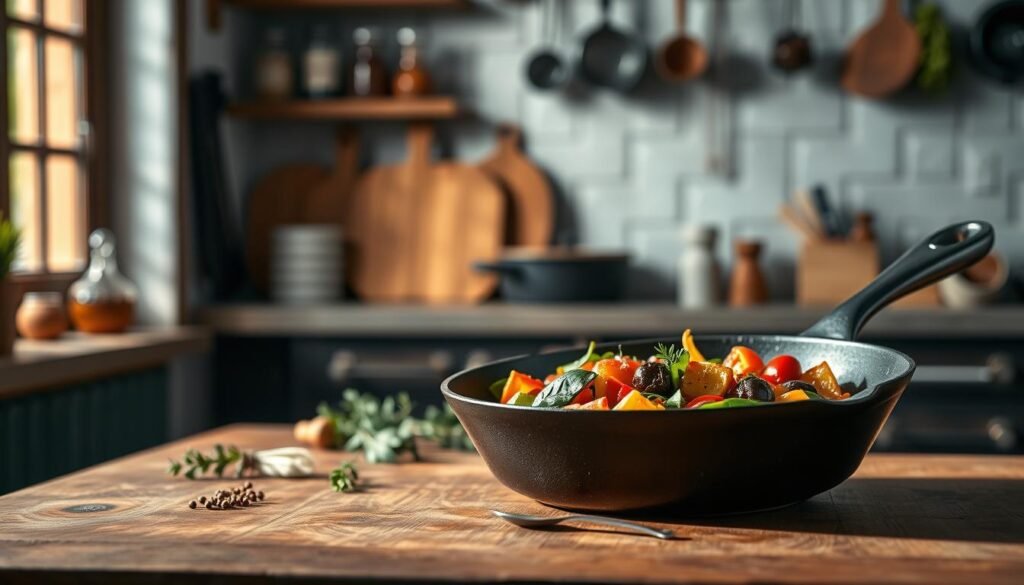
The most noticeable benefit is reduced weight. A premium 10-inch pan weighs just 4 to 5 pounds. Budget alternatives often tip the scales at 5.5 to 7.5 pounds.
This makes daily handling and cleaning far easier. Your wrist will thank you during long cooking sessions.
Features that Justify the Premium Cost
Exceptional surface finish is another key advantage. These skillets feature machined, glass-smooth cooking areas.
They provide immediate nonstick performance. Rough, budget cast iron requires months of seasoning to achieve similar results.
Manufacturing quality is superior. Field Company uses recycled iron and traditional green sand casting in the USA.
Precision CNC machining ensures perfect consistency. This level of control is impossible in mass-produced imports.
| Feature | Premium Skillet (e.g., Field Company) | Budget Skillet (e.g., Lodge) |
|---|---|---|
| Average Price | $165 – $175 | $20 – $35 |
| Weight (10″) | 4 – 5 lbs | 5.5 – 7.5 lbs |
| Surface Finish | Machined, glass-smooth | Rough, sand-cast texture |
| Manufacturing | USA, precision machining | Often imported, mass-produced |
| Best For | Heirloom quality, daily ease | Budget-friendly start |
The higher price purchases faster heating and easier cleaning. For cooks who use their pan weekly, these benefits compound over years.
This investment buys a tool built for multiple generations. It transforms a simple kitchen item into a lasting heirloom.
How to Care for Your Cast Iron Cookware
A simple routine keeps your kitchen workhorse performing at its peak for decades. Consistent care builds a superior nonstick finish.
Seasoning and Maintenance Tips
Always apply an initial seasoning layer, even on pre-seasoned pieces. Coat a bone-dry pan with a thin film of neutral oil.
Bake it upside down in a hot oven for one hour. Let it cool inside. This process creates a durable coating.
Re-season whenever the pan looks dry or food sticks. Frequent seasoning builds a glassy patina.
Cleaning and Storage Best Practices
After use, wipe the cooking area with a damp cloth. For stubborn bits, sprinkle coarse salt and scrub with a soft brush.
Contrary to myth, mild dish soap is safe for occasional use. The key is to avoid soaking in water.
“The old prohibition against soap dates from when lye was an ingredient. Today’s mild soaps won’t harm your well-developed seasoning.”
Thorough drying is non-negotiable. Heat the pan on a burner or towel-dry completely. Water left on iron causes rust.
Store your skillet in a dry place. Place a paper towel between stacked pieces to absorb moisture.
| Care Situation | Recommended Action | Important Note |
|---|---|---|
| Daily Cleaning | Wipe with damp cloth, dry thoroughly | Avoid leaving standing water |
| Stubborn Food Residue | Use coarse salt and soft brush | No metal scrapers needed |
| After Washing | Heat on stove to evaporate moisture | Prevents rust formation |
| Long-Term Storage | Light oil coat, paper towel between pans | Ensures air circulation |
Insights from Cast Iron Enthusiasts and Experts
Real-world experiences from seasoned cooks reveal what truly matters in a cast iron skillet. Their feedback cuts through marketing claims.
Customer Reviews and Testing Feedback
Multiple testers singled out the Lancaster pan for its comfortable grip. Strategist editor Winnie Yang has used a Field Company skillet for years.
She notes its smooth surface and easy maintenance. Yang previously owned a Lodge pan.
“With all the scrubbing and scraping I had to do and the many attempts I made at improving the seasoning, using the Lodge just felt like too much work.”
She later bought a restored vintage Griswold. It performs similarly to modern premium pans with a smooth surface that releases food easily.
Enthusiasts emphasize that regular cooking is the best way to season cast iron. Each meal builds the nonstick layer over time.
| Pan Model | Handle Comfort | Surface Smoothness | Ease of Maintenance |
|---|---|---|---|
| Lancaster | Excellent | High | High |
| Field Company | Very Good | Very High | High |
| Lodge | Good | Moderate | Moderate |
| Victoria | Good | Moderate | High |
| Vintage Griswold | Very Good | Very High | High |
For more insights, read this detailed review of cast iron skillets. Compare performance with leading nonstick pans.
Tips for Shopping Your Next Cast Iron Pan
A successful purchase hinges on matching the pan’s specifications to your cooking habits. Focus on three core areas: physical dimensions, cost, and the manufacturer’s guarantee.
What to Consider: Price, Size, and Warranty
Sizing can be confusing. Traditional numbers like ‘No. 8’ actually mean a 10-inch diameter. This versatile size suits 1-3 people.
A larger ‘No. 10’ measures about 12 inches. It feeds 2-5 but needs more storage space. Always check the actual dimensions listed.
Your budget determines your options. Entry-level pieces cost $20-$40. They work well but need more break-in time.
Premium skillets run $150-$200. They offer smoother surfaces and lighter weight for daily use. The price reflects heirloom quality.
Most makers offer a warranty. Yet, this material is so durable that claims are rare. The guarantee mainly covers manufacturing flaws.
| Traditional Size | Actual Diameter | Best For Serving | Typical Price Range |
|---|---|---|---|
| No. 8 | 10 – 10.25 inches | 1 – 3 people | $20 – $200 |
| No. 10 | Approx. 12 inches | 2 – 5 people | $30 – $250 |
| Considerations | Check specs, not just number | Weight increases with size | Higher cost = smoother finish |
First-time buyers should start with one versatile 10-inch skillet. Test your usage before adding more pieces.
Handle comfort and pour spouts matter more than minor price differences. Try to feel the weight in-store if possible.
Conclusion
Embracing this traditional material is a rewarding step toward more confident and versatile home cooking. A quality piece represents an essential kitchen investment. It combines exceptional durability with performance that improves for decades.
Your ideal selection depends on personal priorities. The budget-friendly Victoria or a premium Lancaster skillet both provide reliable service. With proper care, any will become a trusted tool.
Begin your journey with a single 10-inch pan. This lets you master seasoning skills before expanding. It perfectly complements other cookware types in your collection.
Bottom line, cast-iron cooking is an absolute joy. We believe every kitchen toolkit should include some alongside stainless steel and enameled pieces. The right pan transforms from a specialty item into your most-reached-for partner for everyday meals.